A referral starting point
Discuss termite control Buckeye AZ with an independent provider.
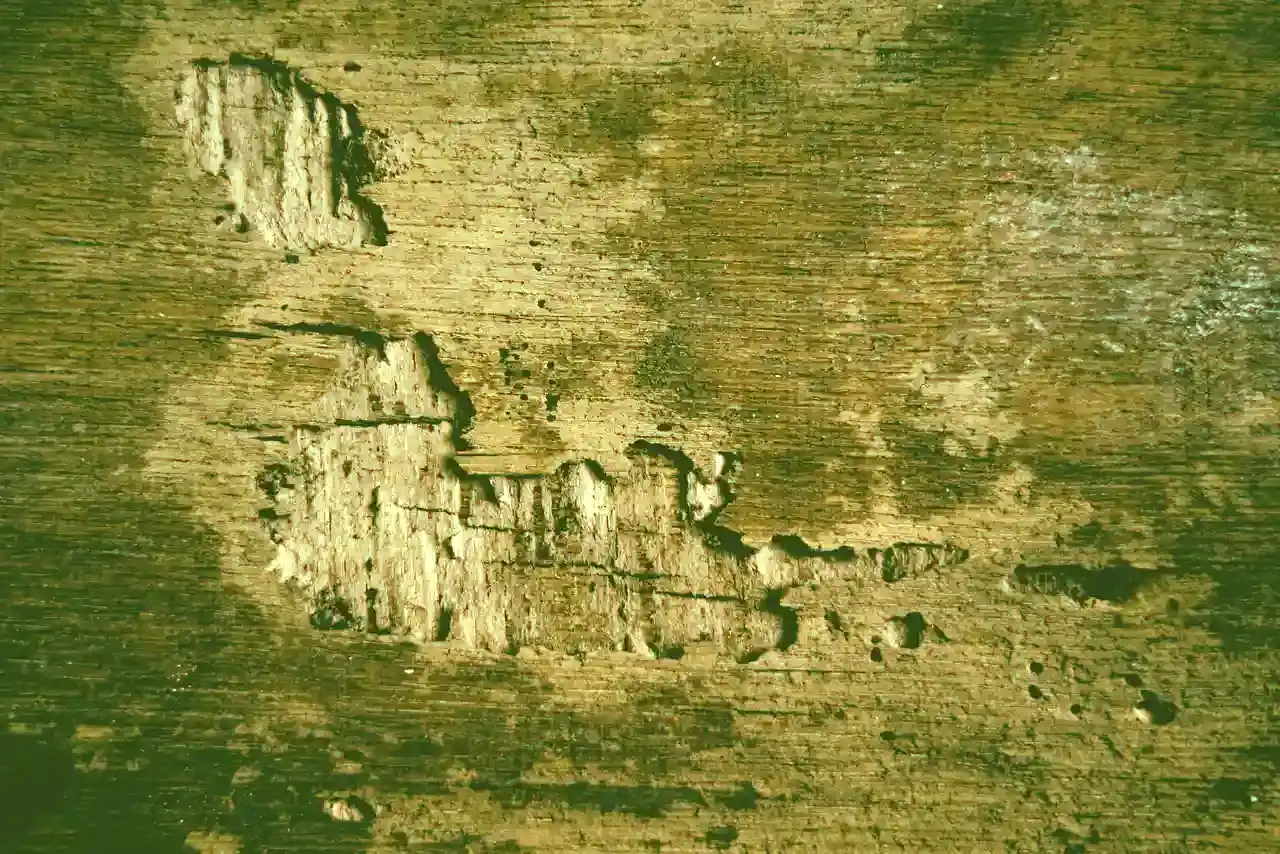
Drywood termite treatment in Buckeye focuses on confirmed activity in wood and whether a localized approach fits the findings. Small hard pellets near a frame or shed wings may prompt an inspection, but their location alone cannot define every affected area. Ask the independent provider to explain the identification, accessible wood and any limits on the search. University of Arizona Extension describes drywood flights on sunny days from June through August. This referral service excludes full tent fumigation and structural repair. The provider determines any proposed method, return check and charge.
Discuss termite control Buckeye AZ with an independent provider.
Ask how assessment findings support the proposed work.
Confirm the address with the receiving provider.
Consult Arizona’s business and applicator lookup tools.
A localized drywood proposal should explain the evidence, accessible affected wood and limits of the inspection. Ask how the method reaches the proposed areas, what preparation is needed and when later signs will be reviewed. The written scope should also identify the charge and any continuing service rather than leave those details until work begins.
The inspection should connect pellet piles, openings or wings to the wood being assessed. Ask which pieces are affected and how nearby accessible wood will be checked. Areas behind finishes may remain uncertain; those limits should be explained before the provider defines a localized treatment boundary.
Before authorizing localized work, ask the provider to identify the wood included and the method proposed. The explanation should connect treatment to the assessed evidence, not merely the room where pellets were noticed. Clarify any preparation, access restrictions and later checks for those locations.
Nearby frames, trim or other accessible wood may need inspection to define the scope. Ask why the provider includes each area and what cannot be reached. An affected frame does not by itself describe the entire boundary, so the findings should explain how the proposed work was selected.
A later pellet observation needs the original location and date for context. Ask when old material should be cleared and what signs should be reported afterward. The instructions should explain how observations will be compared at a return check without assuming every new pile has the same meaning.
Confirm how and when the affected wood will be checked again. Ask which observations to report before that date and whether the visit is included in the proposed cost. Any further work should depend on the provider’s assessment and agreement, with its scope and charge explained before authorization.
Share the location of the evidence and ask what the receiving business proposes to inspect.
Localized drywood work begins with identifying the evidence and establishing which wood needs attention. A provider should explain how the suspected areas were examined, what remains concealed and why a proposed method fits. Drywood termites do not need soil contact, so an assessment of pellets around a frame differs from an inquiry about earthen tubes at a foundation. Nearby accessible wood may need checking before a limited treatment boundary is agreed. Full tent fumigation and structural repair are outside this referral site’s scope. Ask for the provider’s written proposal and later check arrangements.
Buckeye’s housing age does not settle a drywood termite question. The ACS 2024 five-year median year built is 2011, but a citywide median cannot describe the condition of a frame, trim or attic at your address. The inspection needs to evaluate the actual evidence and accessible wood. Where another person controls a shared space, clarify permission before the visit. At a rented home, the owner or manager may need to coordinate entry. The provider should record any access limits and explain how they affect the proposal.
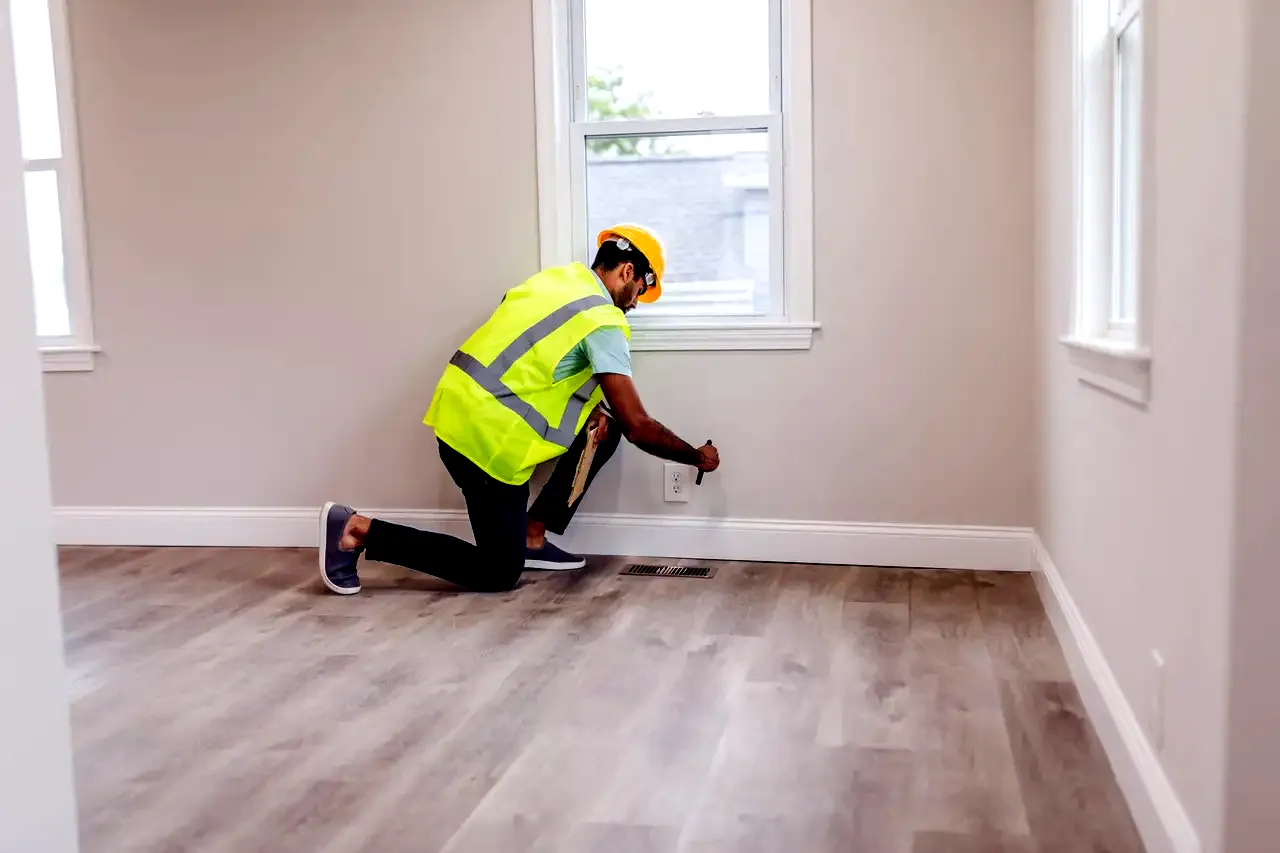
The initial visit should establish what the evidence means and which wood can be examined. Show the pellet or wing locations and mention earlier treatment or repairs. Ask the provider to explain identification, nearby accessible areas and spaces hidden by finishes. The findings should support the localized scope before a method and price are proposed.
Use the provider’s preparation directions to make the reported frame, trim or attic entrance accessible. Ask what may be moved and what evidence should remain in place. Mention areas controlled by another occupant or association so permission can be arranged. If inspection access is incomplete, clarify how that affects the proposal and any further appointment.
Request a record identifying the wood examined and areas with confirmed evidence. Photos or a sketch can connect each location to the proposed treatment. Ask what was checked nearby and what remained concealed. That description should give the localized boundary a basis and help explain any uncertainty before agreeing to work.
Review the method and exact wood areas before treatment starts. Ask what preparation and return directions apply to the occupied room, and how any openings or access work will be handled. The provider should explain changes to the scope and charge before proceeding beyond the accepted proposal.
At the agreed later check, compare observations with the documented locations rather than relying only on whether a room looks tidy. Ask how pellet evidence should be recorded and when old material may be removed. If more work is suggested, the provider should explain the findings, boundary and applicable terms first.
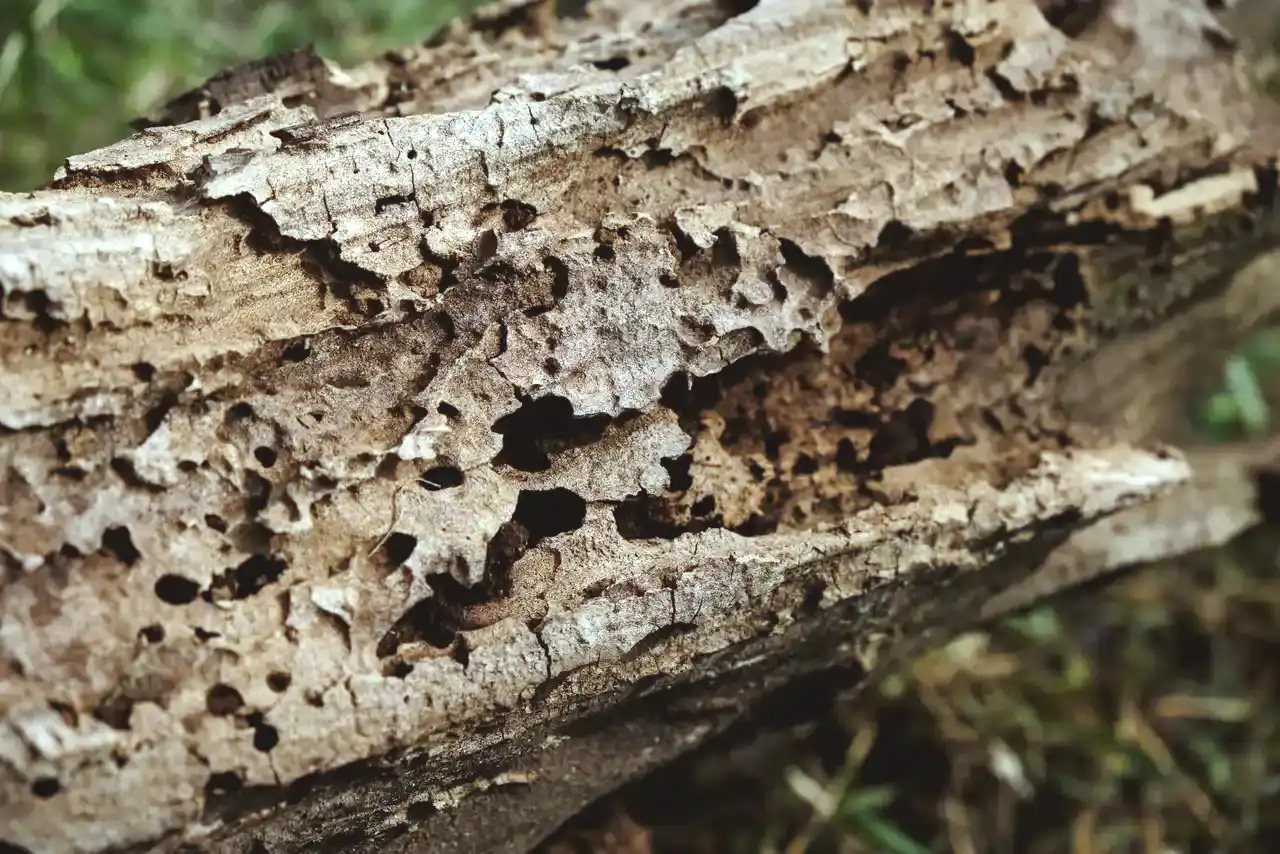
Good lighting helps the provider examine small openings and pellet locations. Ask to see the evidence being discussed and have its location recorded so later observations can be compared.
A moisture reading may help investigate the surrounding conditions. Ask what it shows alongside the physical evidence; it cannot establish termite identification alone.
Ask the provider to examine the pellets and explain the identification. Their location should be documented before cleaning or maintenance changes the evidence.
If additional detection equipment is suggested, ask what question it helps answer and how findings are confirmed. The inspection should explain remaining uncertainty as well as observations.
Photos should identify the affected wood area, not just loose material, so the provider can compare later reports with the original location.
Where wood is concealed, ask what access is proposed and who authorizes it. Clarify any openings and finishing before accepting the treatment scope.
A written localized scope should name the wood included, later checks and terms for reporting signs. Ask which services or extra visits carry another charge.
The provider should define a localized method around the assessed wood, explaining how the proposal fits the findings and access available. Ask whether nearby pieces were examined and which concealed areas remain uncertain. The accepted scope should identify the included locations and how later evidence will be reviewed before any further work.
Inspection of surrounding wood helps explain the proposed boundary. Ask which nearby areas were checked, why they are included or excluded and what could not be reached. A written account makes any remaining uncertainty clearer than simply describing one room as affected.
Ask for instructions about clearing old pellets and documenting later material. A new report should identify the date and location relative to the wood previously examined. The provider can assess what it means and whether a return visit or further work is appropriate under the agreement.
This site excludes full tent fumigation and structural repair. If findings suggest needs beyond localized work, ask the provider to explain the evidence and the limits of its proposal. The service described here does not cover those separate jobs.
The renter could photograph the pellet location and ask the owner to arrange an assessment before the evidence is painted over or removed. The provider could inspect the affected frame and nearby accessible wood, then explain whether a localized method fits. The owner could clarify authorization, while the renter asks what preparation or room access would be needed if work is proposed.
The manager could identify who controls access to the reported wood and any adjoining shared space. The provider could inspect accessible areas, explain what supports the identification and describe where the search is limited before proposing localized treatment. Permission for another unit would need separate coordination.
The homeowner could give the inspector a photo and describe where the insects appeared. University of Arizona Extension’s June through August drywood flight guidance provides background, but it cannot identify insects at a particular home. The provider could assess the evidence and nearby accessible wood before discussing a localized method.
The manager could collect the occupant’s report and explain when the room can be entered. The provider could assess the evidence and describe any localized treatment proposal, including preparation and return directions. That discussion would help occupants plan around the work without assuming the room needs treatment before inspection.
Drywood inspection questions in Buckeye concern the wood and evidence at the property, rather than assumptions about the neighborhood. Verified coverage includes Sundance, Blue Horizons and Westpark for Buckeye addresses in 85326, and Verrado and Sienna Hills in Buckeye’s part of 85396. Confirm the address directly because neither ZIP is entirely Buckeye. University of Arizona Extension describes drywood termite flights on sunny days in June through August. The guidance cannot identify the source of a particular pellet pile or group of wings. Ask the provider to inspect accessible wood and explain any concealed areas. ACS 2024 five-year data show 14 percent renter occupancy and 2.7 percent of housing units in buildings with at least two units. Those figures help explain why some appointments involve a manager or shared access, but they do not establish termite risk. The provider sets its own localized treatment scope, timing and charge after assessment.
For Sundance in 85326, describe the exact wood and signs at the Buckeye address. Ask which frames or other accessible areas the proposed inspection would include.
In Verrado, within Buckeye’s part of 85396, confirm the street address and any entry restrictions. Identification and accessible affected wood determine the localized proposal.
Blue Horizons and Westpark are verified Buckeye areas in 85326. Mention whether another person controls access to the reported wood.
Sienna Hills is within Buckeye’s part of 85396. Give the exact address and describe where pellets or wings appeared when discussing inspection access.
Arizona Extension describes drywood termite flights on sunny days from June through August. That guidance provides context, but the provider still needs to assess the actual insects, pellet locations or other evidence before choosing a method.
Shared wood or access controlled by another household requires a clear inspection discussion. Ask which adjoining areas need permission and how any remaining limits affect the proposed boundary.
Concealed wood, stored belongings or an inaccessible attic can limit the search. Ask which areas matter to the reported signs and whether further access is needed before a localized plan can be finalized.
June through August is Arizona Extension’s drywood flight window on sunny days. Report wings with their location and date, but let the inspection establish their identity and relevance to accessible wood at the property.
A renter in Verrado, 85396 might notice small pellets beneath two window frames after the surfaces have been repainted. They could photograph the locations and notify the owner, wondering whether the material indicates current termite activity and whether nearby wood needs a closer inspection.
The owner could arrange access while the provider examines the pellets, frames and surrounding accessible wood. The renter could ask how the findings support a localized proposal and what preparation would be needed before any agreed work.
Afterward: The renter could note later pellet locations and dates, then report them through the owner so the provider can compare the evidence.
A homeowner in Sundance, 85326 might find pellets beneath an interior doorway used throughout the day. Before considering treatment, they could want to know what the material is, which wood is affected and how any proposed work would affect household access.
The provider could inspect the frame and nearby accessible wood, explain the evidence and outline any localized options. The homeowner could ask where treatment would go, how occupied areas should be managed and when a later comparison of the signs is appropriate.
Afterward: The owner could follow the agreed reporting instructions, noting whether later pellets appear beneath the same frame or at a different location.
A property manager in Sundance, 85326 might receive pellet photos from adjoining rental units. The reports could raise questions about the accessible wood in each home and who can authorize entry to any shared area.
The provider could examine the reported locations and explain whether other accessible wood needs checking. The manager could coordinate permission for each area and ask that the proposal identify the treatment boundary without assuming both units need identical work.
Afterward: The manager could retain each unit’s findings and route later pellet reports to the provider with their dates.
Pellets, wings or suspect wood can raise different inspection questions. The examples below explain why identification, access and a documented localized boundary should precede decisions about treatment and later checks.
Pellets appearing again after painting or cleaning leave a question about the wood above that location. Tell the provider what changed and share any earlier photographs. The inspector can assess the current evidence and explain whether nearby accessible wood needs checking. Ask how the findings support a localized method and how later observations should be recorded, rather than assuming another cosmetic cover answers the termite question.
Signs near an adjoining unit or shared wood need an inspection boundary accounting for access and evidence. Ask whether the manager or association should coordinate entry elsewhere. Findings should distinguish examined wood from inaccessible spaces and explain whether the localized proposal changes. Shared ownership alone does not establish identical activity or treatment needs in each unit.
When maintenance exposes suspect wood, photograph the location and describe what was removed or altered. The provider can assess current evidence and explain any limits created by the work. Ask whether adjacent accessible wood needs checking and how that affects the localized proposal. Structural repair remains outside this referral site’s scope.
If a room is heavily used or the household has particular concerns, discuss them before accepting localized treatment. Ask the provider what method is proposed, where any application goes and which spaces must remain clear. Its written preparation and return directions should address that work. This site cannot determine exposure or choose a return time, so resolve uncertainty directly with the provider before the appointment.
The provider defines the work and sets charges
The provider’s drywood quote should describe the wood areas included and how they can be reached. More locations, concealed access or shared property may change the proposed work, but those details need explanation in the scope. Ask whether inspection, treatment and later checks are separate charges and what happens if another affected area is found. Compare proposals by the included locations and service terms before accepting. This referral site sets no price and does not decide the provider’s method, availability or cost for the property.
Check which wood areas and return visits the amount includes. Ask whether later evidence at another location requires a separate assessment or quote, and retain the provider’s terms with the original inspection findings.
Several confirmed wood locations can require a different scope from one frame. Ask how the provider established each affected area and which nearby pieces were checked. The findings should explain the proposed treatment boundary and what remains uncertain before cost is determined.
Wood behind finishes or in a difficult-to-enter space may need an access discussion before the proposal can be finalized. Ask what additional inspection is possible, who authorizes entry or openings and whether another appointment would be charged separately from the initial visit.
If a shared area belongs in the work, clarify permission and who receives the findings. Ask how that location is included in the price and whether unexamined neighboring wood could change the localized proposal after more access is available.
The scope should reflect confirmed areas, with uncertain locations identified separately. Ask how additional findings would be assessed and quoted rather than assuming every piece of nearby wood requires the same work.
Coordinate entry and use of occupied rooms with the provider’s proposed schedule. Ask whether inspection and treatment require different appointments, and how shared access or further findings could change the timing before a visit is booked.
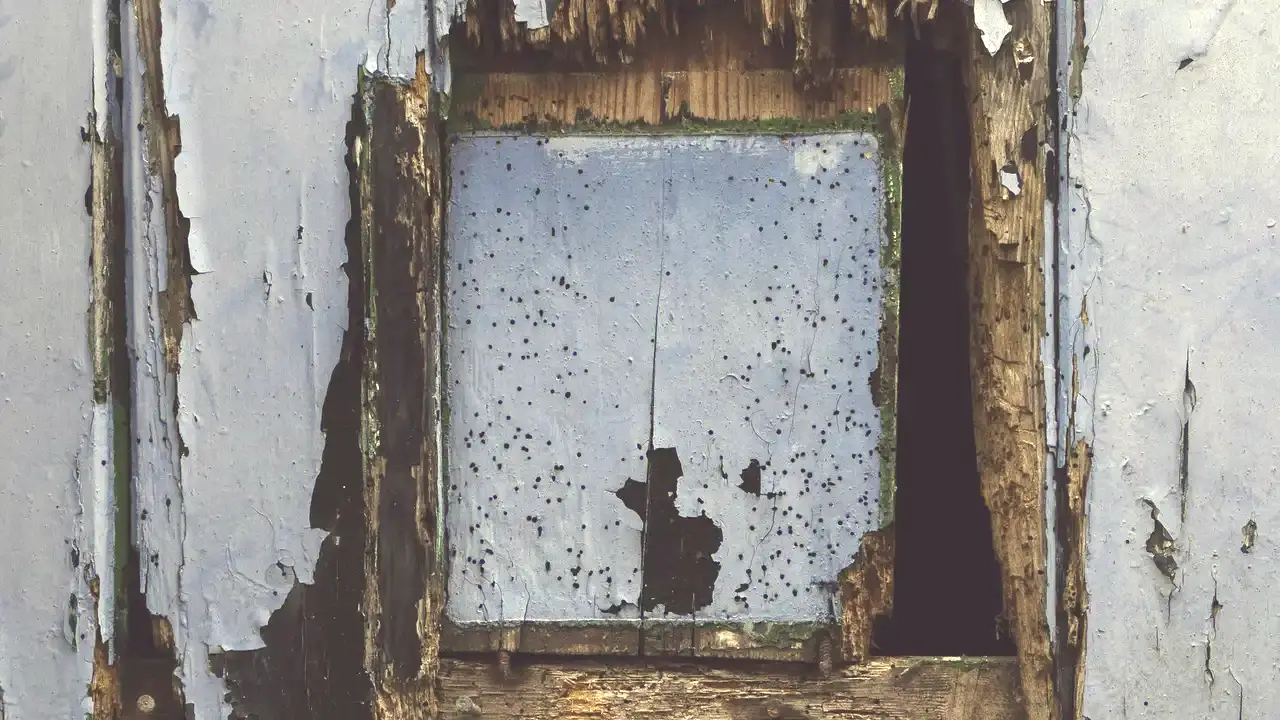
Confirm who is proposing the localized work and verify the relevant business and applicator details using the lookup links on Arizona Department of Agriculture’s Termites consumer page. A referral here does not certify the provider. Ask it to explain the evidence, accessible affected wood, method and any inspection limits. The written scope should identify preparation and return directions, charges and later service terms. Full tent fumigation, structural repair and WDO legal advice are excluded from this site’s services. Keep the proposal with the findings before deciding whether to authorize work.
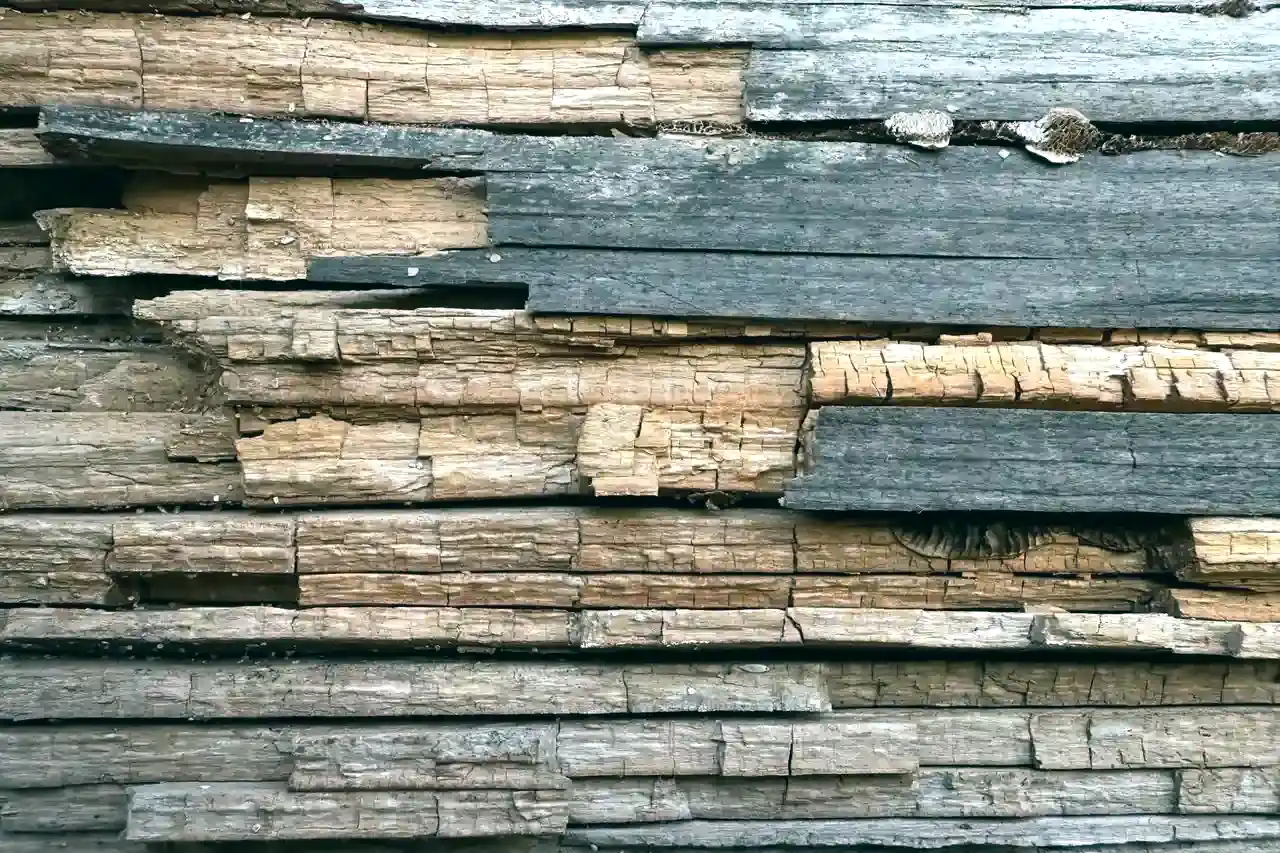
A homeowner in Sundance, 85326 might notice pellets beneath a recently painted frame and wonder whether the opening was merely concealed. An inspection could assess the evidence and accessible surrounding wood before any method is selected. The homeowner could ask how the treatment boundary is determined, what access is needed and which later signs would prompt another call.
A property manager in Sundance, 85326 might hear that pellets have appeared in one occupied rental. The manager could arrange entry to the reported room and ask whether shared areas also need access. The provider could explain the proposed inspection scope and how any preparation or return directions would reach the occupants.
A renter in Verrado, 85396 might find pellets near a room they use daily and worry about treatment disrupting access. They could notify the owner, then ask the provider what an inspection involves and how any localized proposal would address occupied spaces and return instructions.
Drywood termites do not require soil contact. Their assessment focuses on evidence in wood, including the location of pellets, openings and shed wings. The provider still needs to confirm identification and determine the affected areas before selecting a localized method. Subterranean termite activity raises different questions about soil routes. Ask the inspector what evidence supports the diagnosis and which nearby wood or inaccessible areas need further attention.
The amount of affected wood and access to it determine how long localized work may take. Inspection, preparation, treatment and a later check are separate parts of the timeline. Ask the provider for the expected visit length and any restrictions on using the area afterward. A schedule for your property should also explain how additional findings would change the scope or require another appointment.
No, this referral site does not arrange full tent fumigation. Its termite scope includes inspection discussions and localized drywood options, alongside other services described here. Structural repair and WDO legal advice are also excluded. If the findings suggest work beyond this scope, ask the independent provider to explain the evidence and the limits of its proposal before deciding what to do next.
The independent provider sets the charge after assessing affected wood and the proposed work. Access, the extent of evidence and any shared areas may change the scope. Request the treatment boundary, return inspection and continuing service terms in writing. Clarify extra charges before accepting. This site does not set the provider’s price.
Discuss the property and evidence with the independent provider to clarify access, scope, timing and later checks.
Discuss your questionsA termite inspection should establish what the signs mean and which accessible areas need checking. Ask for findings that identify the evidence and limits before comparing a localized drywood proposal with other treatment approaches.
View service
Subterranean evidence raises questions about routes between soil and wood. After identifying the activity, a provider may discuss soil treatment or bait service. Ask how its boundary and monitoring fit the findings rather than assuming that plan addresses drywood termites.
View service
Rental termite work needs an owner or manager’s authorization and coordinated entry. Occupants can report pellet locations and dates, while the provider determines inspection and any treatment. Discuss how preparation directions and later findings are shared with everyone affected.
View service
If evidence appears after earlier work, show the provider the treatment record and current location. Ask how the existing agreement applies to another assessment or proposed treatment, including any coverage dates, reporting conditions or separate charge.
View serviceRingba routes telephone enquiries to an independent business and may record the conversation. Calls connect 5 a.m. to 11 p.m. Mountain Standard Time, all year. The all-hours LeadSmart form provides another way to request contact. Confirm the Buckeye address and discuss what you observed; the receiving provider sets its own availability, assessment arrangements and proposal.