A referral starting point
Discuss termite control Buckeye AZ with an independent provider.
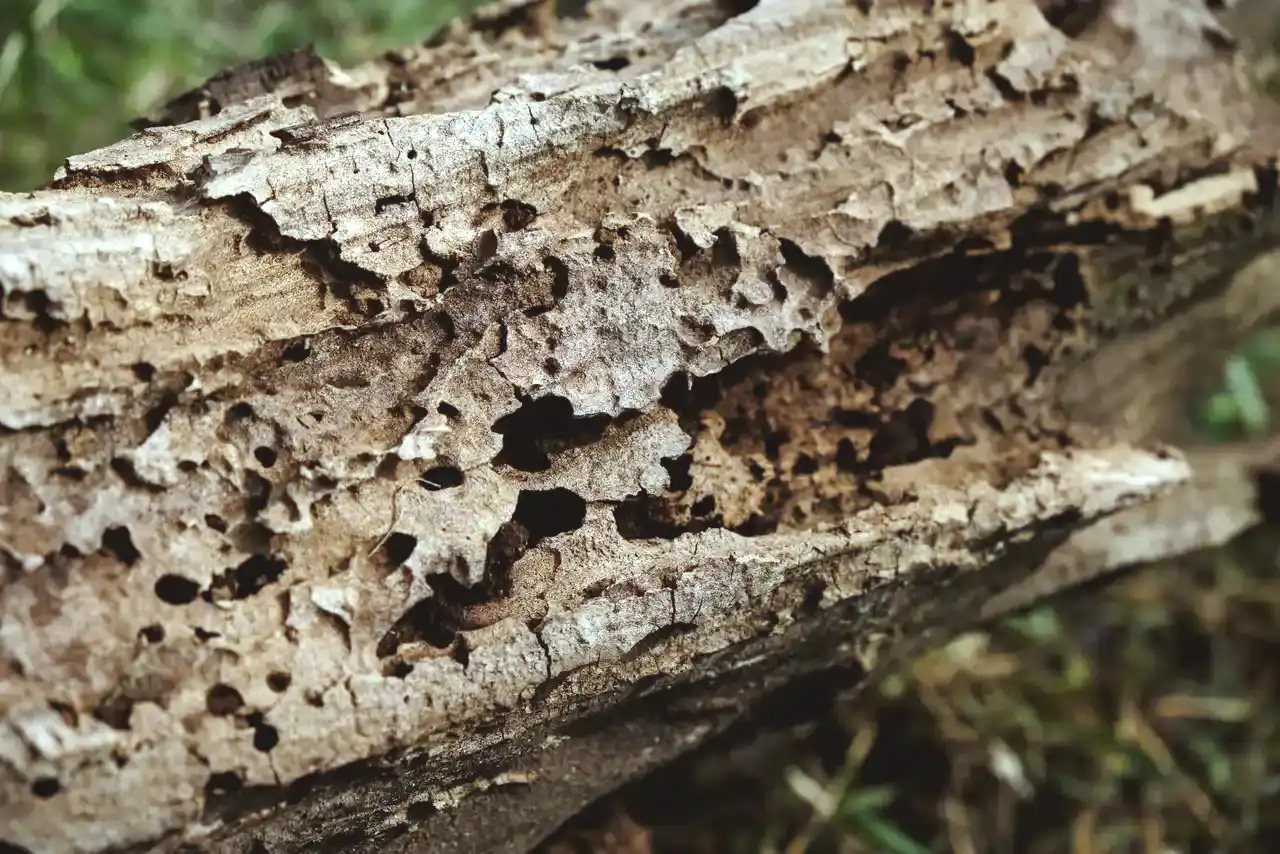
An inspection can turn an uncertain termite question into a clearer discussion of the property. Verrado is a verified neighborhood in Buckeye's part of 85396, and this referral line connects address-based inquiries with an independent provider. Give the business the exact location of any wings, tubes, pellets or wood changes, together with photographs and earlier reports if available. The provider decides whether those observations support a termite finding and what work should be proposed. Ask for the assessment limits as well as the recommendations, since concealed or inaccessible areas may leave questions that a routine visit cannot answer.
Discuss termite control Buckeye AZ with an independent provider.
Ask how assessment findings support the proposed work.
Confirm the address with the receiving provider.
Consult Arizona’s business and applicator lookup tools.
A Verrado street address identifies the property more precisely than a ZIP code alone. Verrado lies within Buckeye's part of 85396, while some places using that ZIP are outside the city. Confirm the complete address with the independent provider before discussing visit arrangements. At the property, termite questions depend on evidence and access rather than the neighborhood name or an assumed building type. An inspector may need to review the point where a sign appeared, nearby accessible wood, moisture observations and any previous treatment paperwork. Explain what has changed and whether someone has already removed or altered the material. The provider can then distinguish an identified finding from a question needing further examination. Buckeye's median housing construction year was 2011 in the 2024 American Community Survey; that citywide statistic does not date every Verrado home or establish termite prevalence. Ask what the current inspection actually supports. A written proposal should connect the observed evidence with the proposed method and describe the areas, preparation and later checks included.
The links below distinguish inspection, treatment types, rental coordination and reassessment so callers can ask about the relevant stage. They do not establish that every provider offers every service or that a property needs every step. For a Verrado home, describe the original evidence before requesting a method. Subterranean and drywood termites have different living arrangements, and the assessment should explain which finding supports the proposal. Ask what remains uncertain and whether further access is needed. The provider establishes its own availability and scope for the address, then explains preparation, the proposed work and any planned review afterward.
Inspection is the point at which the provider examines the concern and decides what can be concluded. Show the material in place if possible, with a photograph identifying where it was found. Share earlier reports, treatment dates and known access constraints. Ask which accessible parts of the Verrado property will be checked and how unexamined areas will be recorded. A clear report should distinguish observed evidence from a recommendation or a question requiring another assessment before treatment is chosen.
Service details →02Drywood termites occupy the wood they eat, rather than relying on a soil route into it. When a provider identifies drywood activity, ask how the proposed work addresses the affected material and how far the finding can be traced. Different access conditions can change the scope of assessment and the available options. This site excludes full tent fumigation and structural repair. Have the provider explain what its particular proposal includes, what it leaves outside the work and what a later observation would mean under any agreed follow-up arrangement for the property.
Service details →03For identified subterranean activity, the business may explain liquid treatment, bait arrangements or another approach suited to its findings. Ask it to describe how the assessed soil-to-wood routes relate to the treatment boundary, including places it could not examine. Avoid selecting an application method from this page alone. The independent provider chooses and applies any materials, gives preparation and occupancy directions, and defines the monitoring or further inspection associated with its proposal.
Service details →04A rental inspection involves the people who can grant access as well as the person who noticed the concern. Give the provider the Verrado address and explain whether a tenant, owner or property manager will coordinate the visit. Decide how photographs, findings and preparation instructions will be shared. In a property with connected areas, ask whether additional accessible spaces should be inspected before the proposal is settled. This is a coordination question, with no assumed infestation beyond the reported sign and no statement of legal duties from this website.
Service details →05A reassessment can address a fresh observation, questions about an earlier treatment or the review specified by a service agreement. Bring the original report so the provider can compare the new material with what was recorded before. Ask whether the visit is an inspection, monitoring check or proposed additional treatment, and what each would cover. Written terms should explain the purpose, schedule and charges rather than leaving the meaning of a return visit unclear for the property owner.
Service details →Before arranging a visit, describe what you noticed and identify the exact Verrado street address. Tell the independent provider whether the property is occupied, who controls access and whether earlier termite reports or service agreements can be shared. The inspection should focus on the evidence while documenting any limits on what could be examined. Ask how locked spaces, stored items or inaccessible wood might affect the findings. Once the provider explains its assessment, separate three questions: what was observed, what work is proposed and what a later check would evaluate. A recommendation should identify the treatment type and defined area, with preparation and occupancy directions provided before work begins. Raise questions about pets, children or health concerns directly with the business choosing the materials. Verify the business and applicator credentials through the Arizona Department of Agriculture Office of Pest Management resources, and ask the provider for insurance information. The business sets its own inspection date, charges and agreement. Save the written report and any treatment record so future observations can be assessed against a documented starting point at the property.
The location of a visible sign does not necessarily settle the inspection boundary. A provider may need access to another room, an exterior area or a space controlled by an owner or manager. In Verrado rentals, explain these arrangements before the appointment so someone can obtain permission where necessary. Ask what can be concluded if a relevant space remains inaccessible, and have the limitation recorded. A decision about treatment should follow the assessed evidence rather than an assumption that every connected space is affected or that one room defines the whole problem.
A change of tenant or owner can leave termite information spread across several sets of records. Ask for available inspection reports, treatment descriptions and service agreements before scheduling a new assessment. The documents may clarify what a previous provider observed and proposed, though they do not establish the property's condition now. Share them with the independent provider and explain any material changes since that work. If a property transaction or lender request is involved, clarify the expected report separately. A routine inspection or treatment discussion should not be assumed to satisfy every transaction-related request for the address.
A provider cannot report equally on areas it can and cannot reach. Stored belongings may block a wall edge or hide the position where material first appeared. Describe those obstructions when arranging a Verrado inspection, and ask what the business wants accessible before the visit. Do not dismantle woodwork or disturb a suspicious tube simply to widen the view. Ask how the inspection report will describe any remaining limits and whether another assessment would be needed before treatment is chosen. Preparation should follow the provider's instructions for the actual property and planned work.
Verify Arizona pest-management credentials using the business and applicator searches linked from the Department of Agriculture Office of Pest Management Termites consumer page. Ask the provider for identifying details and insurance information. The referral connection itself is not a credential check or endorsement.
The independent provider should explain the proposed materials and the directions applying to that work. Ask which areas would be treated, what preparation is needed and how people or pets should be accommodated. Get these instructions before agreeing to the appointment, and raise concerns directly with the business.
Ask for records separating observed evidence, inspection limitations and proposed treatment. Keep dates and the defined scope with the agreement. For lender or sale-related reports, clarify the request with both the provider and lender; this page offers general information rather than legal guidance.
A termite inquiry can arise from an unexplained sign, an earlier treatment record or an occupant's report. None of these starting points establishes a species or a treatment plan by itself. In Verrado, the independent provider assesses the evidence at the particular property and explains what can be concluded. The following topics help organize the conversation around identification, access and documentation, with no assumed diagnosis for any neighborhood or building type.
A narrow soil-like tube can warrant a subterranean termite assessment, particularly where it appears to connect ground-level material with wood. Its appearance alone does not tell a caller the condition of every part of the building. Photograph it in place, include surrounding details and give the provider the location without pulling the material apart. Explain any known moisture concern or earlier work near that area. Ask what the inspection establishes about the trail and which accessible parts of the property should also be examined. The recommendation should distinguish the visible finding from areas that remain hidden, then explain why a specific treatment boundary is proposed for the address.
Fresh material after treatment raises a question that should be compared with the original findings and the agreement. Avoid assuming either that the earlier work failed or that the new sign can be ignored. Take photographs showing the material, its position and the date it appeared, and contact the provider responsible for the plan. Ask whether its terms call for an inspection, monitoring review or other assessment. The business should explain how it will distinguish a current concern from material already recorded. If additional treatment is proposed, clarify the area, reason and cost before authorizing it. This website cannot interpret an individual service agreement or promise the result of the next visit.
A pile of small material near wood may suggest a drywood termite question, since these termites can leave hard fecal pellets. It still needs identification. Photograph a close view of the material and a wider view of the adjacent wood or opening. Tell the provider when it first appeared and whether you have seen similar material there before. Ask what evidence can be observed without destructive access and how any remaining uncertainty will be explained. The inspection may support a treatment proposal or require further assessment. Do not assume that discarding furniture or arranging structural work is necessary before the source has been established by the appropriate professional.
When several people manage a property, an observation can lose detail as it passes between them. A renter might describe wings to a manager, while an owner only hears that there is a pest concern. For a Verrado inquiry, keep the original photographs, their dates and the exact location together. Agree who will grant access and who should receive the provider's report. Ask the business to distinguish observed evidence from inspection limits and any recommendation. A written record supports a clearer conversation about the actual proposal and future observations. It does not by itself decide legal responsibility, and this website offers no landlord-tenant legal advice or interpretation of a service contract.
The independent provider establishes the cost after assessing the property and defining the work. This site gives no price figures or ranges for a Verrado address. A proposal may concern an inspection, a defined treatment area or an arrangement that includes later monitoring, so ask which service is being offered. The termite type, accessible areas, treatment approach and preparation requirements can affect the scope. Previous work and any existing agreement should also be considered before new terms are accepted. Request a written description of included visits, exclusions and the process for reporting a later observation. When comparing providers, compare the actual work boundaries rather than only the final figure. A less extensive proposal may address a different question, while a broader agreement may include services you have not requested or discussed.
Ask which areas of the Verrado property need assessment and which would be included in the proposed treatment. Floor area alone does not explain access difficulties or hidden spaces. Have the provider describe the assessed scope and record limitations before quoting the work.
Belongings may obstruct the view of the place where a sign appeared. Ask what should be accessible before the inspection and whether unresolved access limits could require another assessment. Preparation and the extent of the proposed work should be explained separately, with instructions suited to the property.
For properties with connected rooms or separately controlled spaces, ask whether the finding requires additional inspection access. A provider should explain why another area needs assessment rather than assuming that everything connected is infested. Agree who will authorize entry and what areas any eventual proposal includes before discussing its cost.
The useful location detail is the full street address, not an assumed crew route or landmark near the home. Verrado is a verified neighborhood inside Buckeye's part of 85396, but that ZIP also reaches beyond the city. Confirm the address with the independent provider when discussing a visit. The reference cards below combine verified coverage information with citywide housing context and state credential resources. They do not describe termite prevalence, establish a construction type or claim that a provider has visited a particular neighborhood or property.
Verrado is verified inside Buckeye and ZIP 85396. Because that ZIP extends beyond the city, give the complete street address when asking about service. Geographic coverage never establishes the condition of an individual home.
Sienna Hills is another verified Buckeye subdivision in 85396. Its name supplies coverage context only; describe the full address and the actual observation when discussing inspection arrangements with a provider.
Sun City Festival is verified within Buckeye's part of 85396. Ask about the particular street address and the inspection concern, rather than treating the entire ZIP as city coverage.
Festival Foothills is a verified Buckeye subdivision in 85396. Give the provider the street address and available photographs to confirm service arrangements and explain the reason for assessment.
The Department of Agriculture Office of Pest Management Termites consumer page links business and applicator lookup tools. Use those searches to verify credentials before agreeing to work.
The 2024 American Community Survey reports a median housing construction year of 2011 for Buckeye. This citywide figure does not describe every Verrado home or establish the likelihood of a termite finding.
Keep inspection findings, treatment descriptions and agreements together. They help the provider understand prior work and compare later observations without assuming that an old record establishes current conditions.
Citywide, 14 percent of occupied Buckeye homes are rented in the 2024 American Community Survey. For a rental inspection, clarify access and communication with the owner or manager.
Verified Tartesso coverage includes units 1, 2A and 2B inside Buckeye in 85396. Give the full address to establish the location before discussing an assessment with the independent provider.
Referral inquiries include Verrado and other verified Buckeye addresses in 85396, including Sienna Hills, Sun City Festival and Festival Foothills. The Buckeye part of that ZIP is covered, rather than all places using it. In 85326, verified city locations include Sundance, Blue Horizons, Westpark, Watson Estates and Downtown Buckeye. Give the provider the complete street address and the original observation so it can confirm service arrangements before an inspection is discussed.
For a Verrado property inside Buckeye in 85396, an independent provider can discuss the next assessment step after hearing what you noticed. Explain whether the concern involves wings, a suspected tube, loose pellets or changed wood. Bring earlier records if available and identify spaces that may be hard to access. The business determines inspection arrangements and explains what its findings support. A neighborhood name alone does not establish a termite type, a treatment requirement or the scope of work at that address.
Sienna Hills is verified in Buckeye's part of 85396. Someone calling about a home there should give the street address and describe the location of the original sign. Photographs, dates and previous reports help preserve the information for the provider. Ask what accessible areas should be available and how any limits will be recorded. The independent business sets appointment availability and decides whether the assessment supports a treatment proposal for that property.
For a Sun City Festival address inside Buckeye in 85396, ask the provider to confirm service using the full street address. Explain who occupies the home and who can authorize inspection access, along with the material or insect you observed. Any existing agreement or earlier report may be relevant background for the assessment. The provider should distinguish current findings from old records and explain the proposed work in writing before a decision is made.
Festival Foothills is verified within Buckeye in 85396. Calls concerning its addresses reach an independent provider through the same referral process. Have photographs and prior reports ready if available, and explain access needs before arranging the inspection. Work is proposed from the assessed evidence and scope at the actual property. This site does not claim a local crew, a visit history or treatment outcomes for the neighborhood.
These three illustrations describe imagined conversations with an independent provider. They are not testimonials, actual job histories or reports of treatment results. Each caller still needs a property assessment before the business can establish a finding, select an approach or propose work. Roles and locations remain fixed within the examples.
Hypothetical illustration: a homeowner in Sundance, 85326, notices what looks like a narrow mud tube near a wall edge while sorting property records. The homeowner has an older inspection report but does not know whether it describes the same location. An independent provider would need to compare the documents with the current evidence and assess accessible areas before proposing work. The homeowner can ask which observations support the identification, what inspection limits remain and why a particular treatment area would be recommended. If work is proposed, preparation, occupancy instructions and later review should be explained before acceptance. This imagined example supplies no confirmed termite finding, completed service or outcome; it simply organizes questions that the homeowner could raise about the actual property with a provider.
Hypothetical illustration: a property manager in Sundance, 85326, receives a tenant's photographs of small pellets below wooden trim. The manager collects the date and room location and asks the owner how inspection access can be authorized. A provider would assess the loose material and the accessible wood rather than conclude the cause from the photographs alone. The manager can ask who needs to be present, which areas should be reachable and how observations and limitations will be documented. If treatment is recommended, the business would explain its proposed scope and provide preparation instructions for the occupants. This is an invented coordination example with no established infestation or result. It does not determine legal responsibility or promise that any particular treatment would be appropriate at the rental.
Hypothetical illustration: a renter in Verrado, 85396, discovers loose wings beside a window and wants to explain the concern clearly to the property manager. The renter takes a close picture and a wider one showing the opening, records the date and asks who should contact an independent provider. An inspection, if arranged, would need permission and access to the relevant spaces. The renter can ask what identification is possible and how the findings will be shared with the owner or manager. Any treatment proposal would follow the assessment and carry the provider's own instructions and terms. No confirmed termite activity, completed job or outcome is reported here; this imagined situation illustrates a request for assessment and communication at a rental property.

An imagined homeowner in Sundance, 85326, has a photograph of a tube-like trail and an earlier inspection record. The homeowner asks an independent provider how those materials could inform a new assessment. The business would need to inspect and explain its findings before proposing work. This hypothetical situation offers no confirmed diagnosis, actual service history or treatment result, and no provider endorsement.
An imagined property manager in Sundance, 85326, gathers a tenant's photographs of loose material near wood and asks who can grant inspection access. An independent provider would assess the material and explain the inspection limits before recommending a plan. The manager asks how findings and any preparation instructions would reach the occupant. This hypothetical example reports no infestation, completed treatment, promised outcome or legal conclusion about responsibility at the rental.
An imagined renter in Verrado, 85396, finds wings near a window and shares dated photographs with the manager. The renter asks an independent provider about identification and the access needed for an assessment. This invented conversation confirms no termite presence and records no work or outcome. The actual property would still need evaluation before a proposal could be considered.
Seasonal timing provides context rather than a diagnosis for a Verrado home. University of Arizona Extension gives different flight periods for desert subterranean, arid-land subterranean and drywood termites. Those periods can overlap, and observations outside them can still prompt an inspection question. Record the date and location of a visible sign, and ask a provider to assess the evidence before assuming which insect or treatment is involved at the property.
The extension places arid-land subterranean termite flights below 4,000 feet in January through March in Arizona. That elevation band does not establish Buckeye's elevation. Spring observations should therefore be described to the provider without assigning a species from the month alone. Ask what evidence an inspection could establish at the property.
Drywood termite flights are described on sunny days from June through August. Desert subterranean termites generally fly after monsoon rain from July through September, according to University of Arizona Extension. These overlapping summer windows make identification more useful than an assumption based on weather alone.
September remains within the extension's July-to-September desert subterranean flight period after monsoon rain. That timing does not prove the source of wings found indoors. A provider should assess the observed material and relevant accessible areas before discussing a termite finding or proposed treatment at the property.
A quiet winter period should not be used as a property-wide clearance. The extension describes January-to-March arid-land subterranean flights below 4,000 feet as a statewide Arizona band. Buckeye's elevation is unverified here. Discuss a fresh observation when it appears instead of relying on the season for an answer.
The referral line accepts inquiries for verified Buckeye addresses in both covered ZIPs. Within the city part of 85396, locations include Verrado, Sienna Hills, Sun City Festival, Festival Foothills and the verified Tartesso units 1, 2A and 2B. In 85326, verified Buckeye places include Sundance, Blue Horizons, Westpark, Watson Estates and Downtown Buckeye. Give each complete address when speaking with the provider; the ZIPs also include places beyond city limits.
The first conversation should clarify the assessed concern, the provider's credentials and the work it might propose. Ask for explanations you can compare with the written report and agreement. A referral connection does not verify the business or establish that its methods fit a particular home. The questions below organize the decision around evidence, inspection boundaries, preparation and later checks instead of a claim about service quality, speed or results.
Verify them through the Arizona Department of Agriculture Office of Pest Management business and applicator searches linked from its Termites consumer page. Ask the provider for the identifying names and details needed for those searches, then request insurance information directly before authorizing any work at the property.
Ask which connected areas should be available and why they matter to the observed concern. The provider should distinguish spaces it examined from those it could not access. In a rental, agree who will grant permission and receive the findings before a treatment proposal is accepted.
Ask the provider to identify the proposed materials and explain the directions applying to the actual work. Clarify where treatment would take place, what preparation is needed and how people or pets should be accommodated. Obtain written instructions before the appointment; this website selects no products or application methods.
Ask whether a later visit is included and whether it involves inspection, monitoring review or additional treatment. Clarify the schedule, charges and response to fresh observations in writing. The purpose should follow the provider's assessment and agreement, rather than an assumed interval or a promise supplied by this website.
Ask for records describing observed evidence, access limitations, proposed work and any treatment performed. Keep dates and the defined scope with the agreement. For a separate lender or sale-related report, discuss the request with the provider and lender; this site does not interpret legal duties or promise any report outcome.
Verify the person’s details
Discuss coverage directly
Check before authorizing
Read the source information
Read the source information
The timing depends on the inspection findings, proposed treatment and access conditions. A first assessment, treatment visit and later monitoring check involve different tasks, so the provider should explain each stage separately. Ask how long it expects to need at your Verrado address, what preparation must happen beforehand and whether any occupancy instructions apply. This referral website sets no visit duration or completion date. Keep the business's scheduling and access instructions with the written proposal.
Mud tubes, discarded wings, hard pellets near wood and unexplained wood changes can warrant an inspection request. These signs still need assessment and do not all confirm termite activity by themselves. Photograph the material closely and show its position within the property. Tell the independent provider when it appeared and whether earlier records describe the same location before discussing a proposed treatment.
Whether people or pets must leave depends on the treatment and the provider's directions. Ask for preparation, occupancy and return instructions before accepting an appointment, and mention any health concerns directly to the business. An inspection inquiry does not provide enough information for this website to set re-entry times. The provider choosing the materials should explain what arrangements apply to the actual Verrado property and planned work.
The independent provider sets the cost from the assessed scope and its proposal. Termite type, the area involved, access, the chosen approach and later checks may affect the terms. Ask which services and exclusions the written price covers. This referral website quotes no figures and does not set inspection or treatment charges for a Verrado address.
Yes, activity may be found after treatment, and the provider needs to assess any later sign to establish its meaning. Share photographs and earlier records instead of assuming what happened. Ask how the agreement handles fresh observations, whether another inspection is included and what additional work would require separate authorization. This site promises no treatment result or duration of protection for the property.
Discuss the property and evidence with the independent provider to clarify access, scope, timing and later checks.
Discuss your questionsRingba routes telephone enquiries to an independent business and may record the conversation. Calls connect 5 a.m. to 11 p.m. Mountain Standard Time, all year. The all-hours LeadSmart form provides another way to request contact. Confirm the Buckeye address and discuss what you observed; the receiving provider sets its own availability, assessment arrangements and proposal.