A referral starting point
Discuss termite control Buckeye AZ with an independent provider.

Buckeye’s ACS 2024 housing figures record a median construction year of 2011, with 52.4% of units built in 2010 or later. Those figures describe the housing stock and do not establish whether a property has termites. University of Arizona Extension reports desert subterranean termite flights generally after monsoon rain from July through September. Describe the actual evidence at your address when discussing inspection; a season or building age cannot identify the condition of your home.
Discuss termite control Buckeye AZ with an independent provider.
Ask how assessment findings support the proposed work.
Confirm the address with the receiving provider.
Consult Arizona’s business and applicator lookup tools.
Buckeye’s ACS 2024 housing figures record a median construction year of 2011, with 52.4% of units built in 2010 or later. Those figures describe the housing stock and do not establish whether a property has termites. University of Arizona Extension reports desert subterranean termite flights generally after monsoon rain from July through September. Describe the actual evidence at your address when discussing inspection; a season or building age cannot identify the condition of your home.
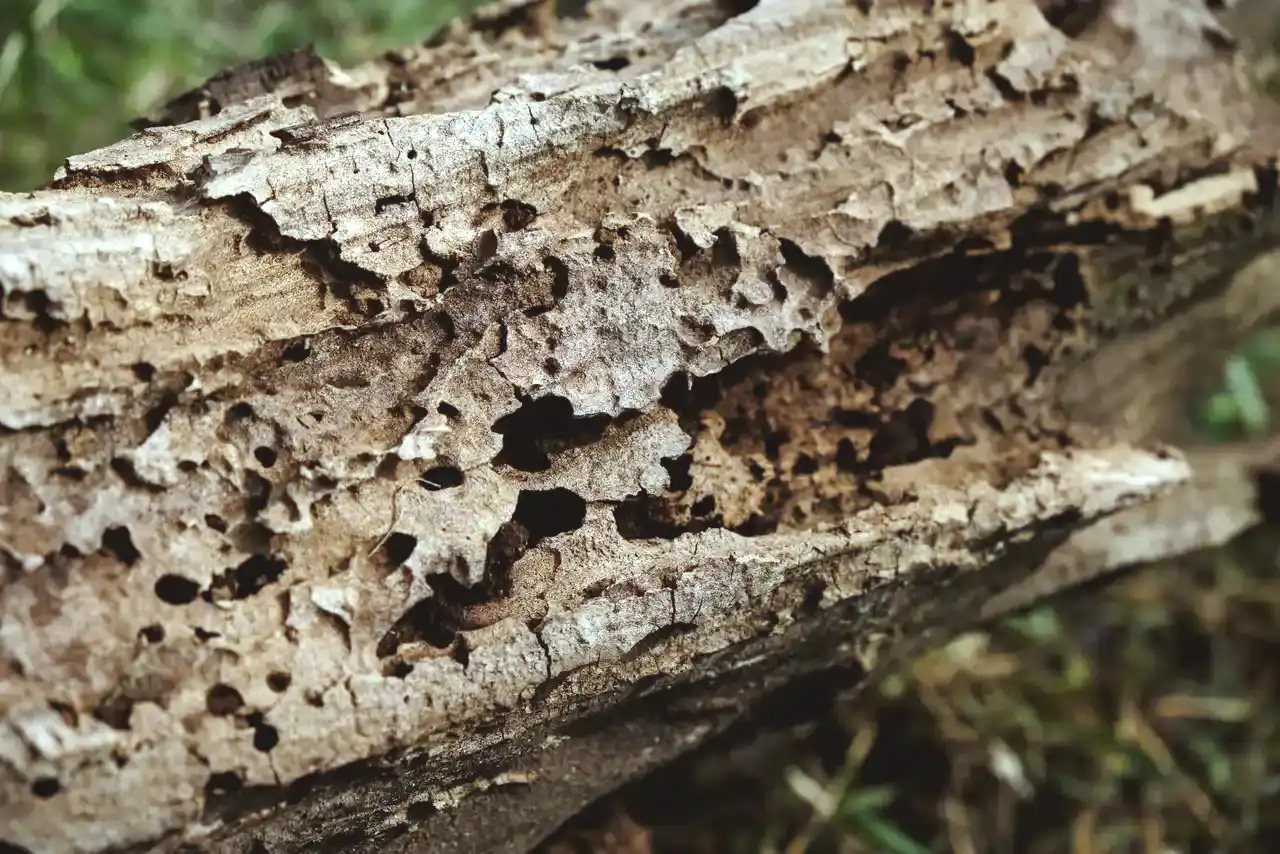
An inspection discussion can cover accessible foundation edges, soil tubes, timber and places where wings or pellets appeared. Ask which spaces the provider can reach, what evidence it finds and how limitations will be recorded. Earlier inspection reports and treatment records may help explain the history. The receiving business should discuss its findings before proposing the next step.
View service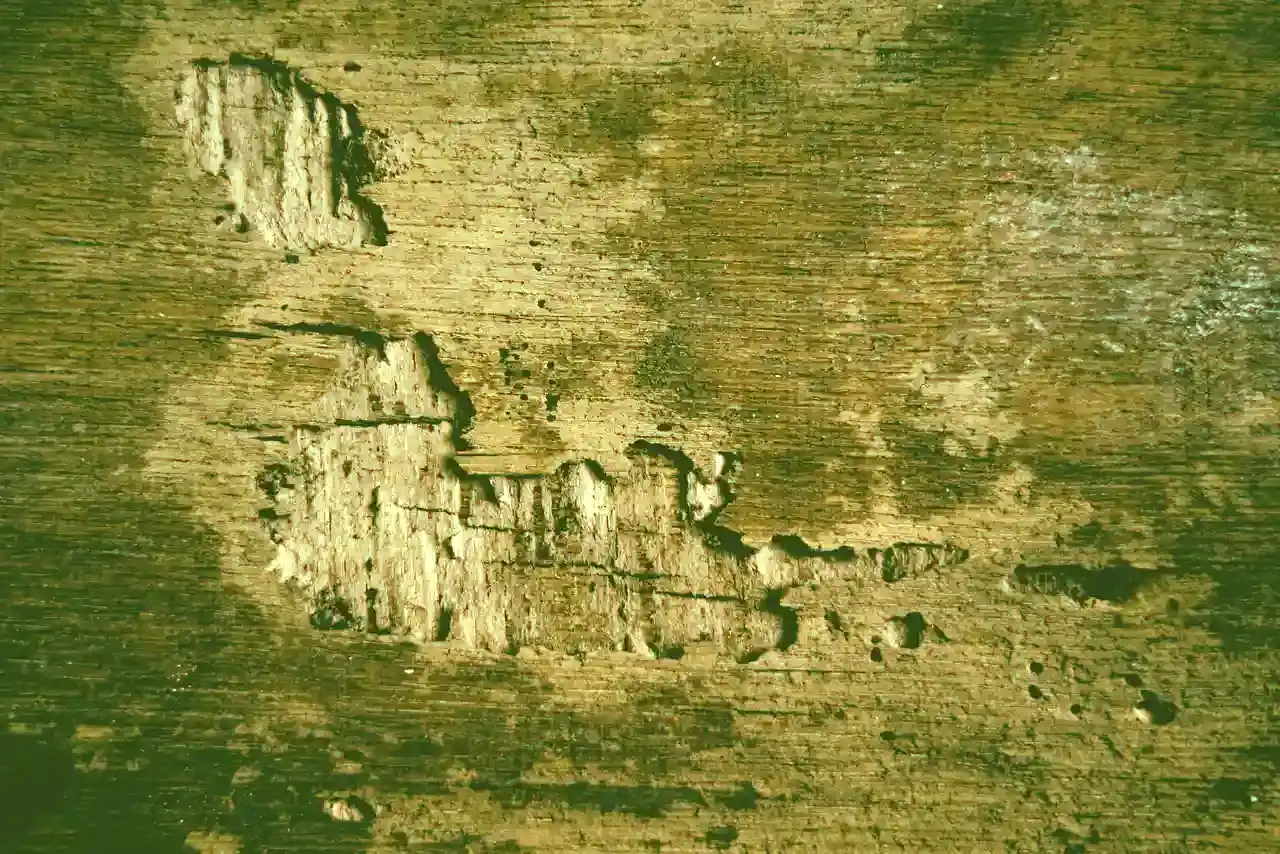
Drywood termites occupy wood and can leave hard pellets beneath infested material. An assessment must distinguish that evidence from other wood debris before a localized approach is discussed. Ask which timber or rooms were examined, how far the findings extend and how later signs should be reported. Full tent fumigation is outside this referral’s scope.
View service
For subterranean termites, a provider may discuss treating soil or using a bait system that requires monitoring. Tubes at a foundation show where assessment is needed, rather than prescribing a particular product. Ask how the evidence and site access support the proposed approach, which areas it includes and what further checks or occupant instructions will be needed.
View service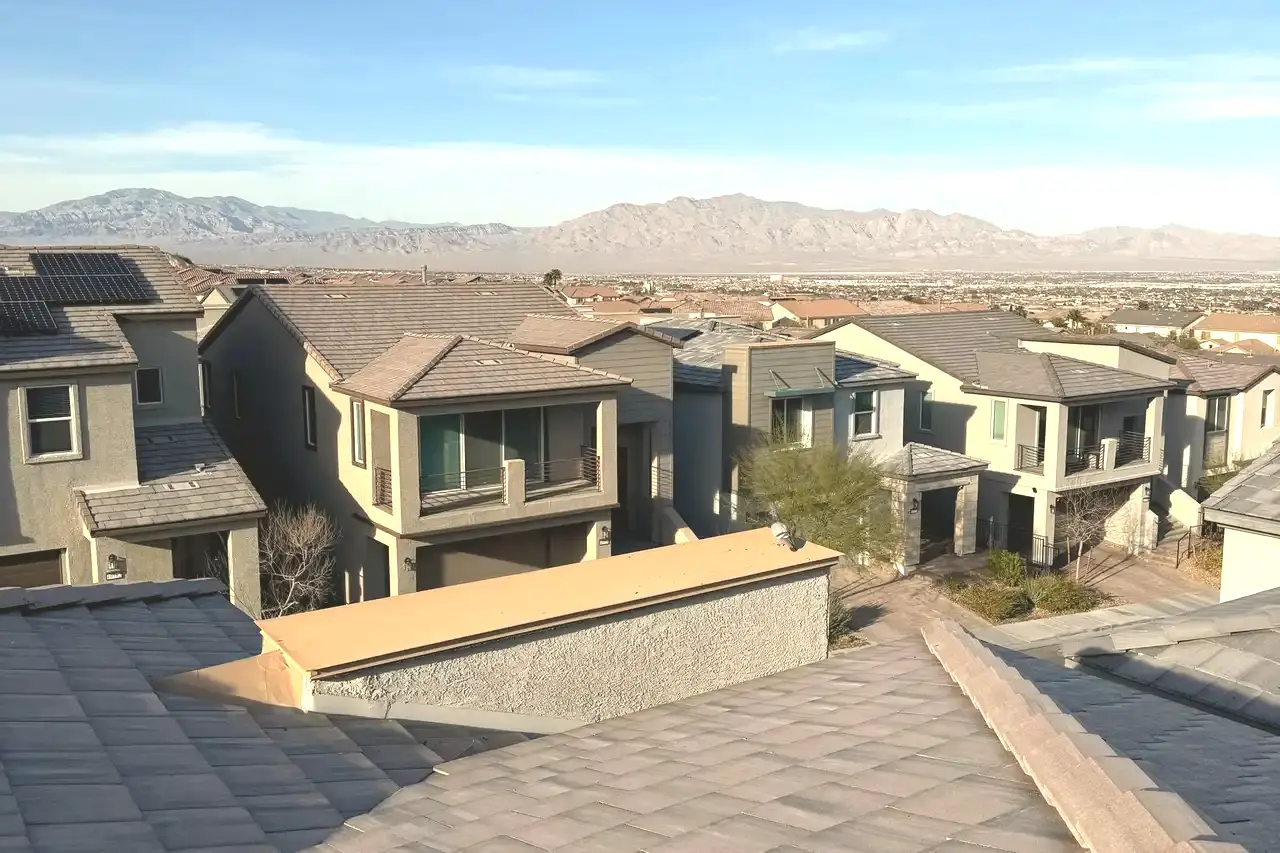
For a rented property, an inspection conversation should include management’s permission, occupant access and any affected shared spaces. Buckeye’s ACS 2024 figures place 2.7% of housing units in buildings with at least two units. That describes housing rather than termite occurrence. Ask the provider which areas need assessment before agreeing to a scope.
View service
A later visit may involve inspecting fresh signs, checking a monitored system or reviewing earlier findings. Ask the provider which purpose applies and whether it is included in the agreement. Keep the original report and a dated record of new observations so the business can explain the proposed assessment and next step.
View serviceAsk the inspector to explain the observed tubes, pellets, wings or affected wood and distinguish current activity from earlier marks. Review the identified termite, accessible areas and inspection limitations before deciding what proposed work to consider.
Obtain preparation directions from the receiving business before a visit. Describe locked rooms, roof-space access or shared areas without opening unsafe spaces yourself. If the property is rented, involve management so permissions and occupant information can be coordinated with the proposed assessment.
Ask why the proposed soil treatment, bait system or localized work fits the inspection findings. Confirm the areas included and the occupant instructions. The independent business selects its approach after assessment and explains how it will evaluate later activity.
Retain the findings, agreed scope and instructions for reporting new evidence. Ask whether monitoring or a later assessment is part of the proposal, who arranges access and what another visit would cover. Do not assume an agreement includes repairs or work beyond the stated areas.
These stages organize a provider conversation. The assessment, method and later checks depend on property findings and the written scope you accept. Ask the business to explain anything unclear before proceeding.
TermiteTreatmentBuckeye.com supplies a starting point for discussing an address and observed signs. The receiving business explains whether it can offer an assessment and what arrangements it proposes. You can ask questions, compare the written scope and decide whether to hire without the website making that decision.
Arizona’s Department of Agriculture links business and applicator searches through its Termites consumer page. Use those tools to compare the provider’s supplied details with current records, and ask about insurance. A referral through this website does not establish or endorse those credentials.
Identification should precede discussion of a method. Ask the business what evidence suggests subterranean or drywood activity, whether it appears current and what remains inaccessible. If you are asking about a wood-destroying insect report for a transaction, describe that purpose at the outset and confirm the document needed with the provider and lender.
Calls connect 5 a.m. to 11 p.m. Mountain Standard Time, all year. Coverage concerns Buckeye addresses in 85326 and the Buckeye part of 85396. LeadSmart’s contact form remains available at every hour.
Use the Arizona Department of Agriculture Office of Pest Management business and applicator lookup tools. The department’s Termites consumer page links both searches. Ask the business for the names and details needed to compare the records, then discuss insurance and the proposed work. This website introduces the contact and does not screen the receiving provider or establish its credentials for you.
A rental property can be assessed when the provider and management coordinate the necessary permission and access. Report the evidence to the owner or manager, including its location and when it appeared. Ask who will arrange inspection, receive the findings and share occupant instructions. This referral cannot determine responsibilities under a particular rental agreement or authorize work for either party.
The period depends on the method, the property and the agreement offered by the business. Ask how the provider evaluates the treated areas, what monitoring is included and when another assessment would be appropriate. Obtain any renewal or retreatment terms directly from that business. The website cannot give an uninspected property a fixed duration or promise continuing protection.
The provider must explain any absence or area restrictions for its proposed method. Ask about people, pets and the affected rooms before approving the work, and obtain the instructions in writing. This referral cannot supply a universal return time. Full tent fumigation is outside the offer, and any other method still requires the receiving business’s property-specific occupant directions.
Report the new evidence to the provider and ask what reassessment it recommends. Include a dated photograph, the location and any earlier report or treatment record. The business can explain whether the observation concerns a previously assessed area and what its agreement covers. Fresh signs require identification; they do not establish a treatment outcome or authorize further work on their own.
Information for discussing termite evidence, rental access, provider credentials and proposed work before hiring a business.
Discuss your questionsRingba routes telephone enquiries to an independent business and may record the conversation. Calls connect 5 a.m. to 11 p.m. Mountain Standard Time, all year. The all-hours LeadSmart form provides another way to request contact. Confirm the Buckeye address and discuss what you observed; the receiving provider sets its own availability, assessment arrangements and proposal.