A referral starting point
Discuss termite control Buckeye AZ with an independent provider.
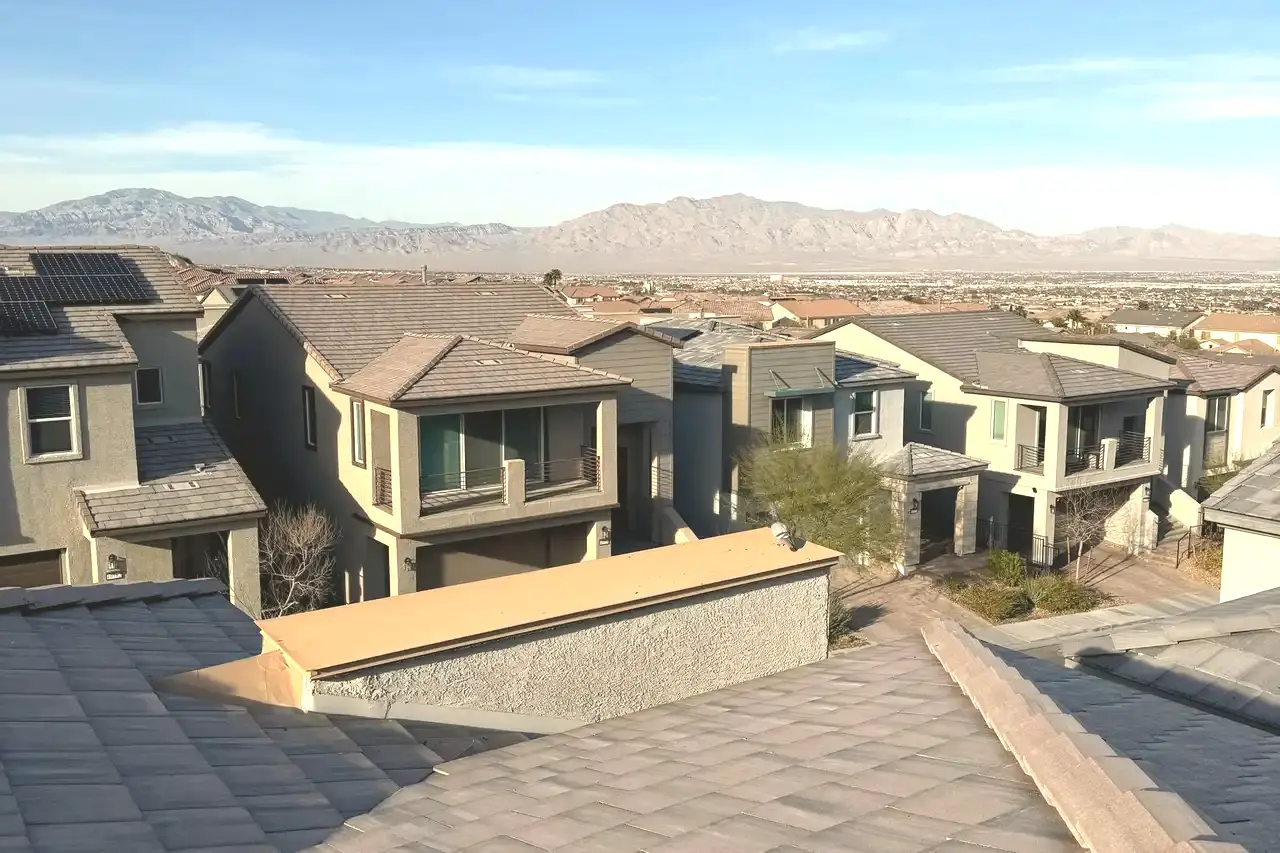
Rental property termite treatment in Buckeye starts with a clear account of the signs and who can arrange entry. A renter, homeowner or property manager can use this referral line to discuss a suspected problem with an independent provider. The provider assesses the property, explains any proposed work and sets its own charge. At attached rentals, ask whether shared areas or adjoining units need inspection. Written findings and access instructions help the people involved follow the same plan.
Discuss termite control Buckeye AZ with an independent provider.
Ask how assessment findings support the proposed work.
Confirm the address with the receiving provider.
Consult Arizona’s business and applicator lookup tools.
A rental termite proposal should explain the inspection, any treatment and the later service arrangements. Ask which property areas are included and who coordinates access. Before agreeing, clarify the charge, the instructions for occupants and what records the owner or manager will receive.
The provider should examine the reported evidence and relevant accessible areas of the rental. Ask whether adjoining units or common spaces need access, and request findings that identify what was checked and what remains uncertain.
The identified termite and inspection findings should guide the method. Soil work, bait service and localized wood treatment involve different scopes. Ask why the provider suggests an approach for this rental and what evidence supports the proposed treatment boundary.
Station service may require yard access during an occupied tenancy or between leases. Ask the provider how visits are arranged and documented. The owner or manager can then clarify who receives notices and what occupants should do if a station is disturbed.
Agree on a reporting contact before the first visit ends. Occupants can provide dates and photos if suspected signs appear later, while the provider determines whether an extra inspection is needed. Keep these observations with the rental’s existing service records.
Ask for an inspection record identifying the rental areas examined and any limits on access. If treatment follows, retain its scope and date with the service agreement. The owner and occupants should know how later findings and instructions will be shared.
Share the location of the evidence and ask what the receiving business proposes to inspect.
Rental property termite treatment brings together an inspection of the evidence and arrangements with the people responsible for the property. The provider needs to identify the activity, define the accessible areas and explain any proposed soil, bait or localized wood work. Occupants can report the date and location of signs; owners or managers can discuss authorization and entry. Ask whether shared areas need checking and which service records each party will receive. This site refers inquiries and does not inspect, treat or decide who pays. Any legal question about a lease or responsibility belongs with the relevant parties and their advisers.
Buckeye’s housing figures provide context for rental planning without identifying termite risk at an address. ACS 2024 five-year data show 14 percent of occupied homes are rented and 2.7 percent of housing units are in buildings with at least two units. A rented detached home may involve one entry appointment, while an attached property may require coordination with other occupants or an association. Ask the independent provider what access the evidence calls for. Neither a building’s age nor its rental status establishes a termite diagnosis or determines the proposed method.

Describe the property, the reported signs and whether you own, manage or occupy it. Have the address ready so the provider can confirm service. Discuss who can authorize entry and whether another household or association controls any shared area. The provider can then explain the proposed inspection appointment and what information to bring.
During the assessment, point out the original evidence rather than asking the inspector to rely only on a verbal description. Discuss accessible foundation areas, frames, garages and other relevant wood. The written findings should state what was examined, where activity was confirmed and which spaces could not be reached before a method is proposed.
Review the provider’s proposal with the person authorizing the work. Confirm the affected areas, method, charge and any continuing service, including how occupants receive preparation directions. Ask whether the inspection identified areas needing more access before the scope can be finalized. Keep the accepted proposal with the rental records and clarify any change before work proceeds.
Follow the instructions supplied for the actual treatment, rather than assuming all methods require the same preparation. Ask which rooms or outdoor areas must stay clear and when they may be used again. Make sure occupants receive the directions and know whom to contact if an instruction needs clarification before the visit.
Ask when the rental will next be inspected or its stations serviced, and who coordinates entry. Occupants should have a clear way to report suspected signs between appointments. The next visit’s findings can then be compared with the original locations and treatment record.

If a moisture meter is used, ask what the reading suggests and how it relates to the termite evidence. A damp area merits explanation; a meter reading alone does not establish the insect’s identity.
The inspector may investigate suspect wood by probing or sounding it. Ask which surfaces will be examined, whether finishes could be marked and how the findings will be recorded.
A soil proposal should explain the application areas and access required. If openings in hard surfaces are needed, ask where they would be made and how those areas will be left afterward.
Discuss who arranges station access during the tenancy and who receives each service note. Clarify the ongoing schedule and charge so the rental’s plan extends beyond the installation appointment.
A tube check should help explain whether the sign indicates current activity and which nearby areas warrant inspection. Ask the provider to document its location before deciding how the finding affects the scope.
Request directions specific to the rental’s occupied areas, including where people and pets must stay clear. Pass those instructions to everyone affected before treatment.
Give occupants the agreed reporting contact. A dated photo of later wings, pellets or tubes can help the provider decide whether another visit is needed.
A proposed soil treatment should identify the rental’s treatment boundary and any access needed around it. Ask what occupants must do before the appointment and how long relevant areas remain restricted. The provider should explain why the inspection supports that scope and how it will be checked afterward.
Before accepting a bait system, clarify how station service will fit the rental’s access arrangements. Occupants may change while the agreement continues, so the owner or manager should retain the schedule and reporting contact. Ask which visits are included, who receives service notes and what happens if access is unavailable on the planned date.
Pellets near wood can prompt a drywood assessment, with identification and accessible affected areas established first. Ask whether localized treatment suits the evidence and what nearby wood needs checking. Full tent fumigation and structural repair are excluded from this referral service.
Tell the inspector about leaks, irrigation and wood touching soil near the rental. The provider can explain which conditions relate to the reported evidence, while the owner arranges any separate maintenance. Such changes should support an assessed plan rather than substitute for inspecting suspected termite activity at the building.
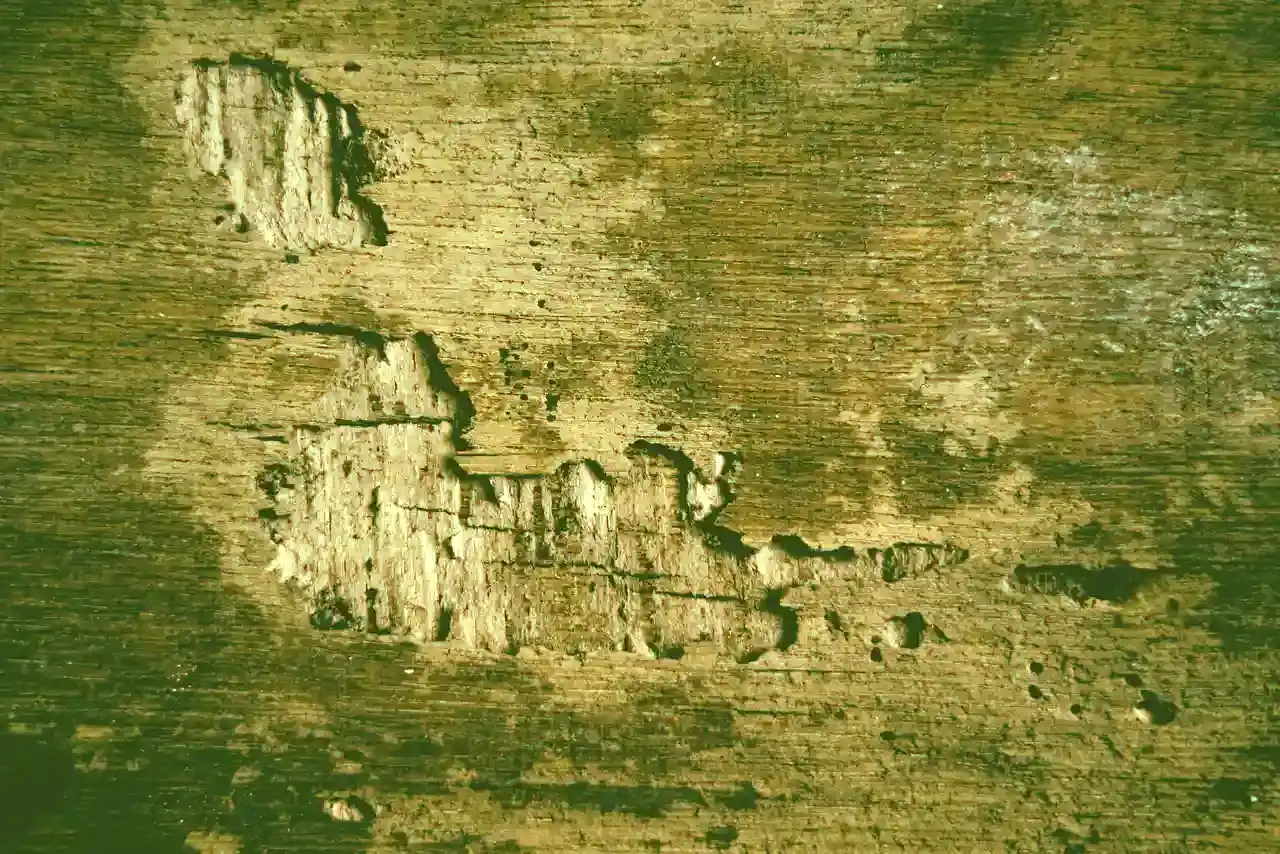
The renter could send the owner a photo showing which window had the wings and when they appeared. An inspection could then address identification, nearby accessible wood and any other reported signs. Before entry, the owner or manager would need to coordinate the appointment with the occupant. The provider could explain any proposed work and return checks without assuming the wings establish a termite diagnosis.
Before cleaning or painting conceals the tubes, the manager could ask a provider to document their locations and assess whether they indicate current activity. An empty unit might offer clearer access to garage walls and storage areas, but shared spaces could still need separate permission. The written findings would give the owner a basis for discussing any treatment and its timing before another tenancy.
The manager could collect each occupant’s photos and dates, then ask the inspector which units and shared areas need access. A written proposal could distinguish confirmed activity from places that remain unchecked. That would support a discussion of the treatment boundary, tenant notices and later visits.
The homeowner could bring any earlier inspection, treatment and warranty records to the visit. The provider would need to distinguish old damage from current evidence before proposing further work. Questions about repairing wood would remain separate from the termite assessment, because structural repair is outside this referral site’s scope.
Rental termite inquiries can involve an occupied home, a gap between leases or an attached building. Buckeye addresses in 85326 and Buckeye’s part of 85396 fall within the coverage described here; the ZIPs also include addresses outside the city. Sundance and Verrado are verified examples within the stated area. Give the provider the exact address and explain who can authorize access. ACS 2024 five-year figures put renter occupancy at 14 percent and housing units in buildings of at least two units at 2.7 percent. Those statistics describe the city’s housing, not the likelihood of termites at a particular rental. The useful starting point is a dated report of wings, tubes, pellets or other suspected signs. Keep earlier inspection and service records available. The provider decides what needs inspection, which areas can be reached and whether treatment is proposed. Ask how occupants will receive instructions and how later observations should be reported.
For a rental in Sundance, give the provider its Buckeye address in 85326 and describe who controls entry. Ask whether the reported evidence requires access to shared property.
In Verrado, within Buckeye’s part of 85396, clarify the address and rental access arrangements. The inspection findings still determine what work is proposed.
Blue Horizons and Watson Estates are verified Buckeye areas in 85326. At a rental there, explain the signs, who can authorize entry and whether another household controls shared space.
Sienna Hills and Festival Foothills lie in Buckeye’s part of 85396. Give the exact rental address when confirming service and ask about the provider’s inspection access needs.
Shared areas may require another person’s permission before inspection. Ask which spaces the evidence makes relevant, then have the owner or manager coordinate access to those locations.
Between tenancies, a clearer room may help the inspection. Ask the provider to assess reported evidence before painting or other maintenance conceals its original location.
Arizona Extension describes desert subterranean flights generally after monsoon rain in July through September. Occupants should report suspected signs when noticed, whatever the month.
If evidence is near a shared garage, shed or stored wood, identify who manages that area. The provider can explain whether it belongs in the inspection scope.
A property manager in Sundance, 85326 might receive photos of tubes beside a rental garage before a new tenancy, with no clear record of earlier treatment.
An inspector could assess those tubes and the accessible foundation areas nearby. The manager could arrange garage access and request findings that distinguish current evidence from earlier damage.
Afterward: For later reports, the manager could retain the original photos and inspection notes together, giving the provider specific locations and dates to compare when deciding whether another visit is needed.
A renter in Verrado, 85396 might notice an earthen tube beside the wall adjoining another unit. They could photograph it for the owner while wondering whether the neighboring home needs checking.
The owner could coordinate entry while the provider assesses the tube and decides which shared areas matter. The renter could ask what access is needed inside their own home.
Afterward: After any agreed work, the renter could follow the provider’s reporting instructions and tell the owner if signs appear near that wall, using the original photo as a reference.
A homeowner in Sundance, 85326 preparing to rent out a house might hear that suspected termite signs have appeared again near its garage, despite earlier work.
The provider could review the previous scope and inspect the new evidence before suggesting another treatment. The homeowner could ask whether the existing agreement applies, which areas remain inaccessible and what instructions an incoming occupant would need about reporting signs.
Afterward: The owner could keep the service records with the rental papers and give future occupants a clear contact for reporting signs at the property.
Rental inquiries can involve a first report, repeat evidence or uncertainty about access. The questions below explain what to clarify with a provider before authorizing inspection or treatment at the property.
Reports from adjoining units deserve an inspection scope that accounts for their locations. Ask whether shared areas also need checking and who must approve entry. The provider should explain each inclusion and any access limits. Findings from one unit should not automatically be treated as proof of identical activity throughout the building; the proposed work needs its own documented basis.
If an occupant has already sprayed or painted over a suspected sign, tell the provider what changed and where. Earlier photos may help recover the context, but the inspector still needs to assess the present evidence. Ask what can now be identified, which areas need access and whether the disturbance limits the findings. Do not assume another application is the appropriate next step.
When an appointment leaves a unit, yard or common area unchecked, ask the provider to explain the significance of that limitation. The manager can coordinate another access discussion and clarify whether a separate visit is needed. Written notes should distinguish an unexamined space from an inspected area without evidence. This site does not decide legal entry rights or assign responsibility for the delay.
Evidence near common grounds needs both an inspection discussion and clear authorization. Identify who maintains the garage, fence or stored wood involved. The provider should explain whether that location is part of the proposed assessment, and whether any finding changes the scope for nearby homes. Outdoor evidence alone does not define treatment inside every unit.
The provider defines the scope and sets the charge
A rental termite quote should reflect the inspected property and proposed work, including the number of areas requiring access. Ask for separate explanations of inspection, treatment, station service and later checks where those are charged differently. If an adjoining unit remains inaccessible, clarify how that affects the scope and any later visit. The independent provider sets the amount and agreement. This site supplies no price figures and does not decide payment responsibility under a lease. Compare the included work before accepting a proposal.
Compare rental quotes by the areas and visits covered. A proposal for one unit differs from one including shared grounds or station service, so ask the provider to explain those boundaries before comparing the totals.
More units can mean additional appointments, permission and documentation. Ask the provider which units the evidence makes relevant and how their inspection or treatment is priced. A building’s unit count alone does not show that every home requires work.
Soil treatment, a bait system and localized wood treatment can involve different access and continuing service needs. Ask which method the inspection supports, what the quoted amount covers and whether future station visits or inspections are charged separately. The written scope should make those differences clear.
The provider needs to establish the affected areas before calculating treatment work. Ask what evidence sets that boundary and how any inaccessible unit or shared space could change the proposal.
Separate entrances, locked yards and common spaces can affect the appointment plan. Explain the rental’s actual layout and ask whether another access visit is needed before the scope is finalized.
Find out which return checks are included, how entry is arranged and what further visits cost. Any retreatment or renewal coverage comes from the provider’s written agreement, which should remain in the property file.

Check the identity and credentials of the independent business before authorizing rental termite work. Arizona’s Department of Agriculture Termites consumer page links to Office of Pest Management business and applicator searches. Use those records yourself and ask the provider to resolve any uncertainty; a referral is not an endorsement. Separately, clarify who can authorize entry, receive findings and pass preparation directions to occupants. This site does not interpret the lease or determine who owes the treatment charge. Keep the agreed service scope and business details with the property’s inspection records for later reference.

A property manager in Sundance, 85326 might receive suspected termite reports from more than one rental unit. The dates and photos could show where the inspection needs to start, while entry notices would address which occupants must be available. The manager could ask for findings by unit and a separate description of any shared areas, making the proposed scope easier to discuss with the owner.
A homeowner in Sundance, 85326 might notice damaged wood while preparing to rent out a house. An inspection could establish whether there is current termite evidence before anyone proposes treatment. The owner could compare the findings with earlier records, ask which later checks are suggested and explain to future occupants where to send any new report.
A renter in Verrado, 85396 might find winged insects near a window without knowing where they came from. A dated photo and written report to the owner could start the inspection discussion. The renter could ask when access is needed and how the findings will be shared, while leaving identification and any treatment proposal to the independent provider.
The owner or property manager commonly coordinates the visit after an occupant reports suspected signs. That is a practical arrangement, rather than a decision about legal duties or payment. Send the location, date and any photos in writing, then clarify who authorizes entry and receives the findings. The provider sets the appointment and proposed scope. Keep copies of the correspondence and inspection record.
The provider assesses the reported evidence and decides whether adjoining units or shared areas need inspection. The plan should explain the treatment boundary and why the selected method fits the termite identified. Owners or managers may need to coordinate permission and access. Ask for a clear record for each area inspected and discuss the schedule for later checks before accepting the work.
A single unit may be treated if the inspection supports that limited scope. The provider should first explain whether evidence or shared areas make a wider inspection appropriate. A lease boundary alone cannot settle the treatment boundary. Ask what was checked next door, which areas were inaccessible and what new report would trigger another visit. The written quote should identify exactly what is included.
The inspection findings, chosen method and access arrangements determine the timeline. A detached rental and a building requiring entry to several units involve different planning. Ask for the expected visit length, any restrictions on using areas and the dates for station service or return inspections. The independent provider sets the schedule; this site cannot promise when the work will finish.
Discuss the property and evidence with the independent provider to clarify access, scope, timing and later checks.
Discuss your questions
A rental termite inspection should document the reported signs, relevant accessible areas and any access limits. Ask how neighboring units or common spaces are selected for examination. If a transaction report is requested, discuss its WDIIR scope separately with the provider and lender.
View service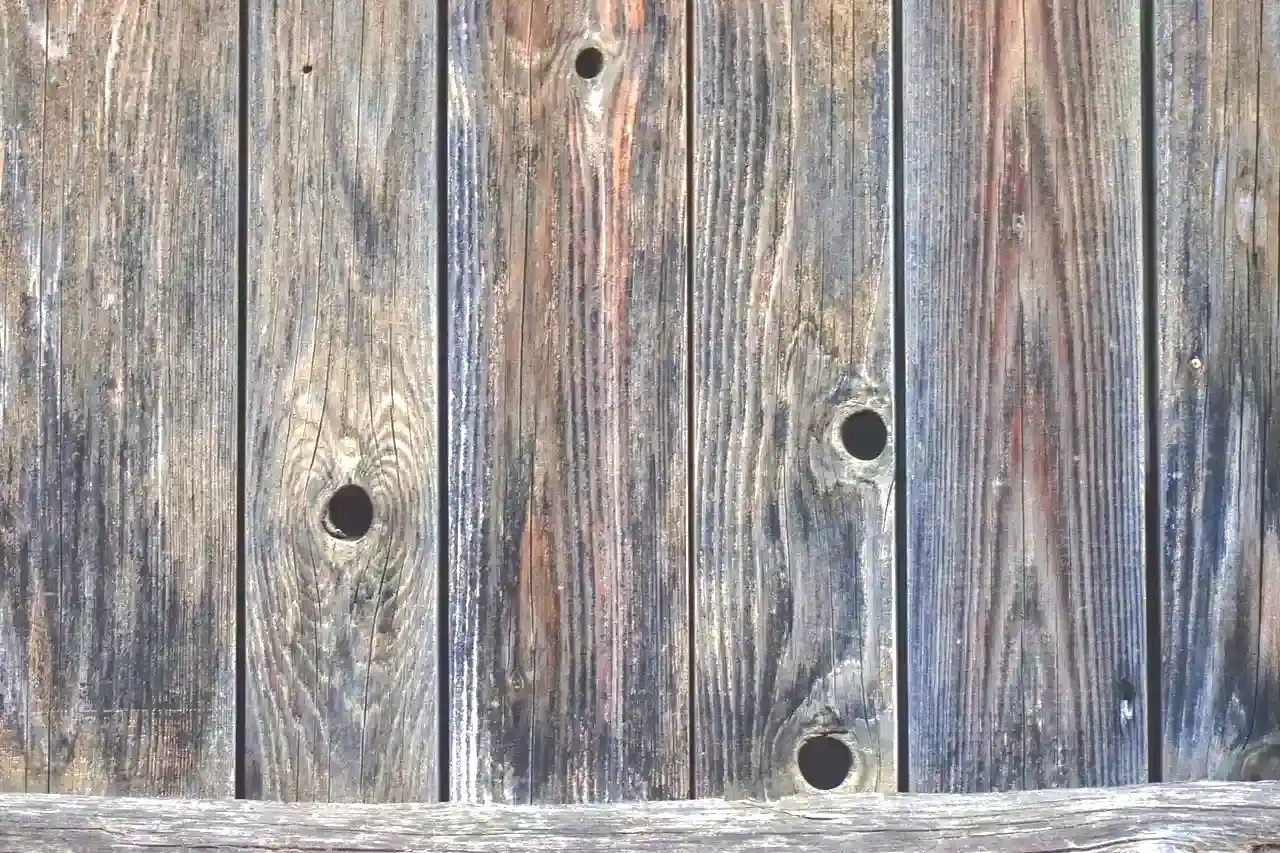
Drywood questions concern evidence associated with wood, such as pellet locations and nearby accessible frames or trim. The provider can explain identification, a possible localized boundary and later checks. At a rental, coordinate authorization and occupied-room instructions with the owner or manager. Full tent fumigation is outside this site’s scope.
View service
For subterranean termites, the provider may discuss soil treatment or bait service after inspecting the evidence. Ask how the proposal accounts for the rental’s foundation access and shared areas. Any method should come with clear directions for occupants and an explanation of continuing inspections or station service.
View serviceA return visit or renewal plan should describe its services, coverage dates and reporting conditions. Ask whether an existing rental agreement includes the proposed inspection or further treatment. The owner should retain the provider’s written terms and ensure occupants know how to report new suspected signs.
View serviceRingba routes telephone enquiries to an independent business and may record the conversation. Calls connect 5 a.m. to 11 p.m. Mountain Standard Time, all year. The all-hours LeadSmart form provides another way to request contact. Confirm the Buckeye address and discuss what you observed; the receiving provider sets its own availability, assessment arrangements and proposal.