A referral starting point
Discuss termite control Buckeye AZ with an independent provider.
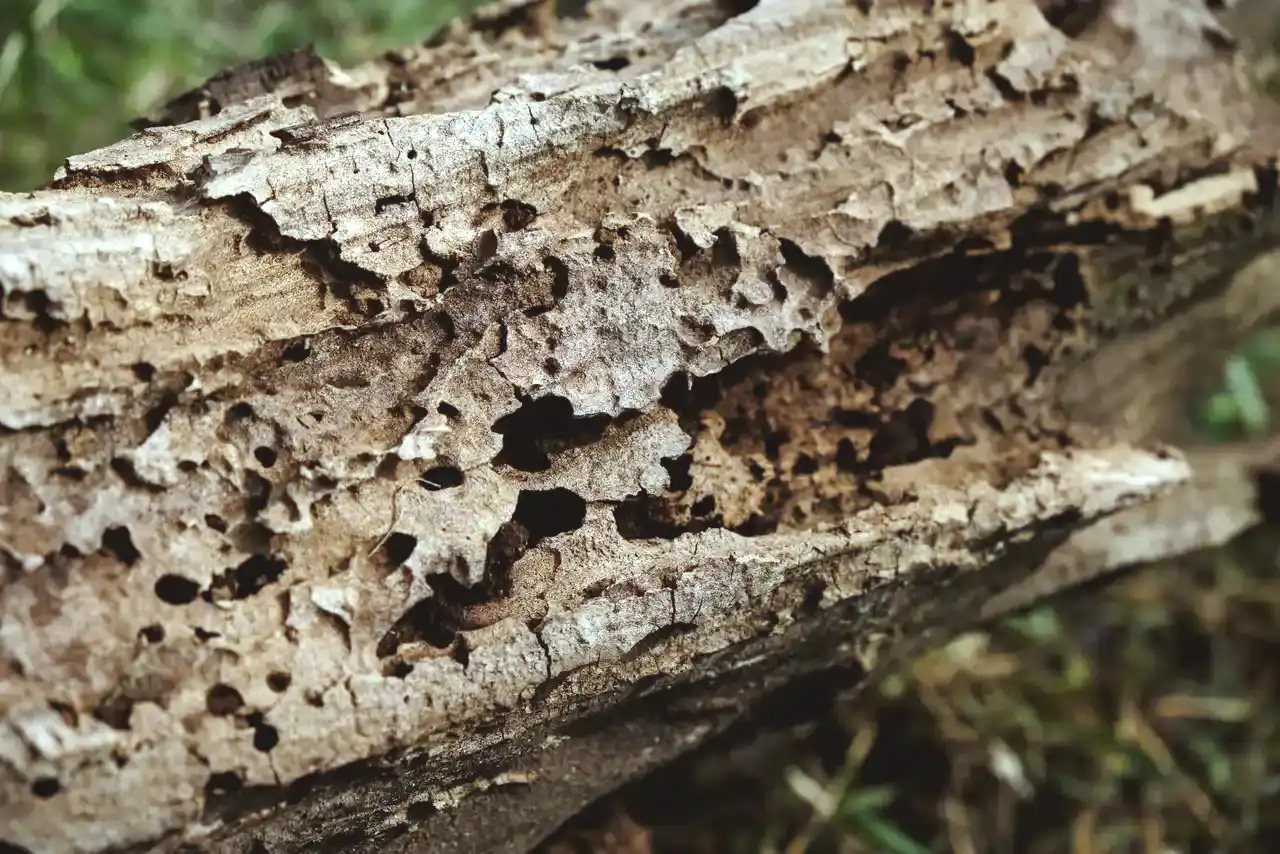
A termite inspection in Buckeye gives the suspected signs a documented assessment before a treatment decision is made. Explain where you noticed wings, pellets, an earthen tube or damaged wood, then ask which accessible areas the provider will check. The findings should distinguish confirmed evidence from uncertainty and identify spaces that could not be reached. A written record helps you review any proposed method and charge. This site connects inquiries to independent providers; the provider arranges the appointment and decides its own inspection scope and cost.
Discuss termite control Buckeye AZ with an independent provider.
Ask how assessment findings support the proposed work.
Confirm the address with the receiving provider.
Consult Arizona’s business and applicator lookup tools.
Before the appointment, clarify the evidence to be assessed, the accessible areas included and who can authorize entry. Ask whether the visit supplies written findings and how access limits are recorded. Treatment should remain a separate decision after the inspection and any proposed next step are explained.
Ask which foundation areas the inspector will examine and show the original tube or other sign. Describe any recent maintenance that changed its appearance. The findings should connect observations to locations and identify inaccessible areas, rather than assume the visible evidence defines the entire problem or treatment boundary.
Interior inspection should account for the reported evidence and relevant accessible frames, trim or other wood. Ask what the provider plans to examine, whether any probing could mark finishes and which concealed spaces it cannot assess. A written location record helps explain the findings and what additional access, if any, is recommended before treatment is proposed.
Identification needs an explanation of the physical evidence. Ask how the provider distinguishes a termite sign from another cause and whether it indicates present activity or older material. The record should identify the location and uncertainty, so you can understand why the findings support treatment, further investigation or another next step.
Request a record stating when the inspection occurred, where evidence was found and which relevant areas were examined. Photos can connect observations to a particular frame, wall or foundation location. Any inaccessible spaces should also be named. Keep the findings with earlier termite papers so later reports can refer to the same areas and dates.
Have the provider walk through the findings before you consider a treatment proposal. Ask what was identified, what remains uncertain and whether more access is needed. If work is recommended, the inspector should explain how the evidence supports its method and boundary. You can then review the separate scope, charge and service terms before making a decision.
Share the location of the evidence and ask what the receiving business proposes to inspect.
A useful termite inspection connects each finding to an examined location. The provider should discuss the evidence you reported, inspect relevant accessible areas and explain where the search is limited. Ask about the foundation, garage, frames and attic rather than assuming all spaces are included. Old damage and a current observation need to be distinguished before treatment is selected. If the provider proposes more work, ask what supports the identification and the suggested boundary. Dated notes, photographs and a description of inaccessible areas make the conversation easier to follow. The independent provider sets the scope and any inspection charge.
Buckeye’s housing statistics cannot confirm or rule out a termite problem. ACS 2024 five-year figures report a median year built of 2011 and 52.4 percent of units built in 2010 or later. Those numbers describe the city rather than the condition of wood at one property. Bring earlier inspection or treatment records and describe changes since that work. A provider can assess the reported evidence, explain what is accessible and record what remains uncertain. That property-level account is the useful basis for discussing a method or deciding whether further inspection is needed.
Call (000) 000-0000 with the property address, the location of the sign and when it appeared. Mention earlier termite work and any entry restrictions. An independent provider can confirm whether it serves the address and discuss the requested inspection. Calls connect 5 a.m. to 11 p.m. Mountain Standard Time, all year; the LeadSmart form is available all hours. The provider sets the appointment and charge.
Before the visit, ask what needs to be accessible and have the original signs available for inspection. Describe any cleaning, painting or spraying that changed the evidence. Confirm permission for shared areas and any locked space, rather than assuming the inspector can enter everywhere. The provider’s own preparation directions should guide the appointment, with any unexamined areas identified in the record and any further access discussed separately.
The inspector should examine the reported location and explain the relevant accessible areas included in the search. Point out other observations and earlier work without treating them as an established diagnosis. Ask what supports the identification, whether the evidence is current and which spaces cannot be checked. The findings should provide a documented basis for the next discussion.
Written findings should connect each observation to the room, wood area or foundation location examined. Ask for the inspection date, any useful photographs and a description of access limits. Where identification or activity remains uncertain, that should be clear. Retain the report with earlier service notes so a later observation can be compared with the original location and proposed next step.
Review the results before discussing cost for treatment. Ask which findings support the identification, what the inspector could not establish and whether more access would change the assessment. If a method is recommended, have the provider explain its boundary and why it fits the evidence. The separate proposal should identify the work, charge and later service so you can decide on that basis.
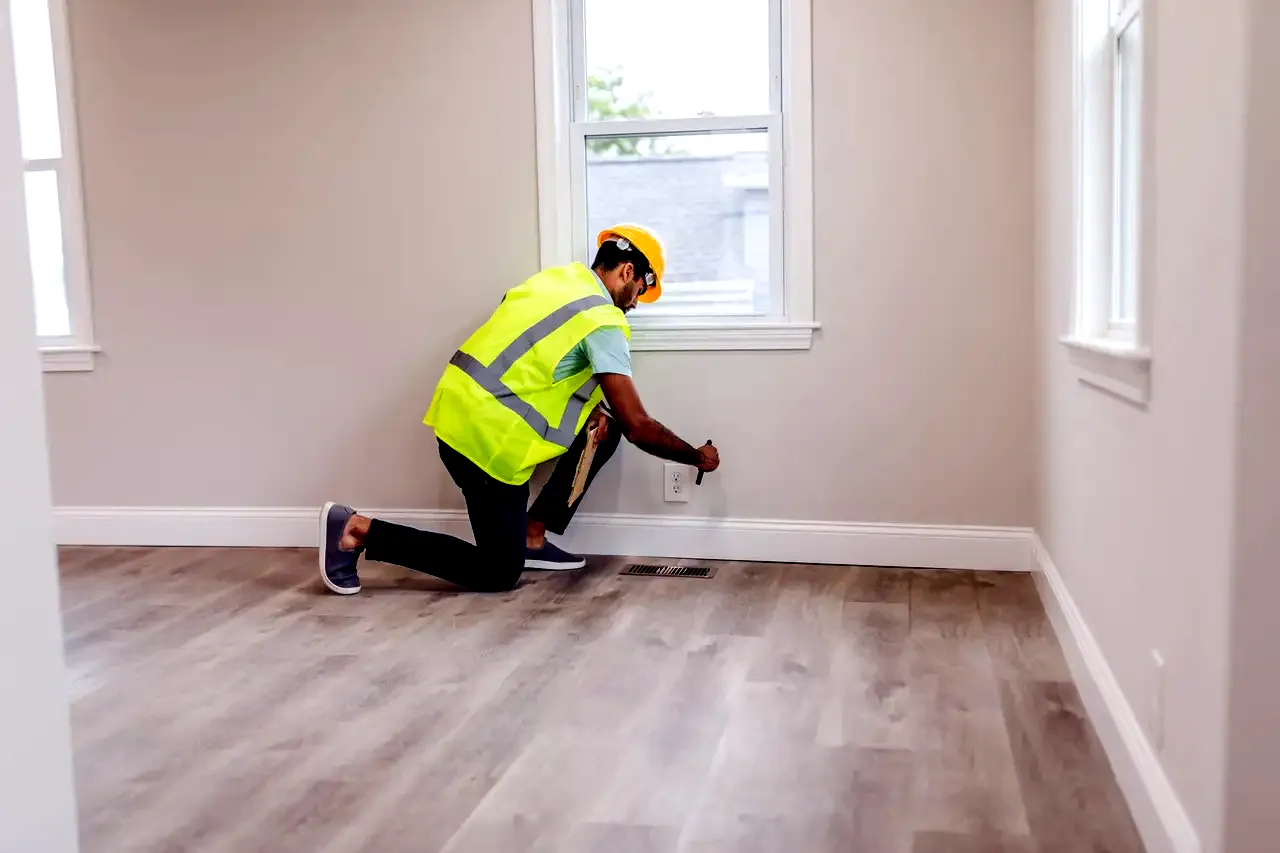
If moisture is measured, ask where the reading was taken and how it relates to the observed signs. A reading can inform the assessment but does not establish termite identity by itself.
If wood is sounded or probed, clarify what the inspector is looking for and whether the check may mark the surface. The findings should explain how that observation relates to current evidence or older damage.
Tell the inspector about existing bait stations and have service records available. Ask whether checking them is included in this visit and how findings relate to evidence near the building, rather than assuming station service is part of a general inspection.
If a monitoring plan exists, compare its records with the current observations. Ask when the next check is due and what sign should be reported sooner through the provider’s agreed contact.
Lighting helps reveal small signs along an accessible frame or foundation area. Ask the inspector to point out and record the evidence being discussed, so you can relate any later observation to the same location.
Clarify whether accessible attic areas are included and what entry arrangements the provider needs. If the space cannot be examined, ask how that limit will be recorded and whether another appointment or access discussion is proposed.
The provider should explain how each important observation supports the identification and proposed next step. Ask whether a tool reading was confirmed by physical evidence and what remains uncertain. Wings, pellets and tubes need context, not just a label. The report should state any additional access needed before a treatment scope can be defined.
Before authorizing inspection or treatment, check the independent provider’s identity through the business and applicator lookup links on Arizona’s Termites consumer page. Keep the business details with the report and resolve uncertainty directly. This site does not certify credentials or endorse the provider’s findings, work or results.
An inspection may identify leaks, irrigation or wood contact worth discussing alongside termite evidence. Ask which conditions matter at your property and what separate maintenance would address them. Such recommendations should support the assessment rather than substitute for identification or imply that maintenance alone settles the problem.
Show the inspector damp areas and wood touching soil near the reported signs. Ask how those conditions relate to the findings and which maintenance questions should be handled separately from any treatment decision.
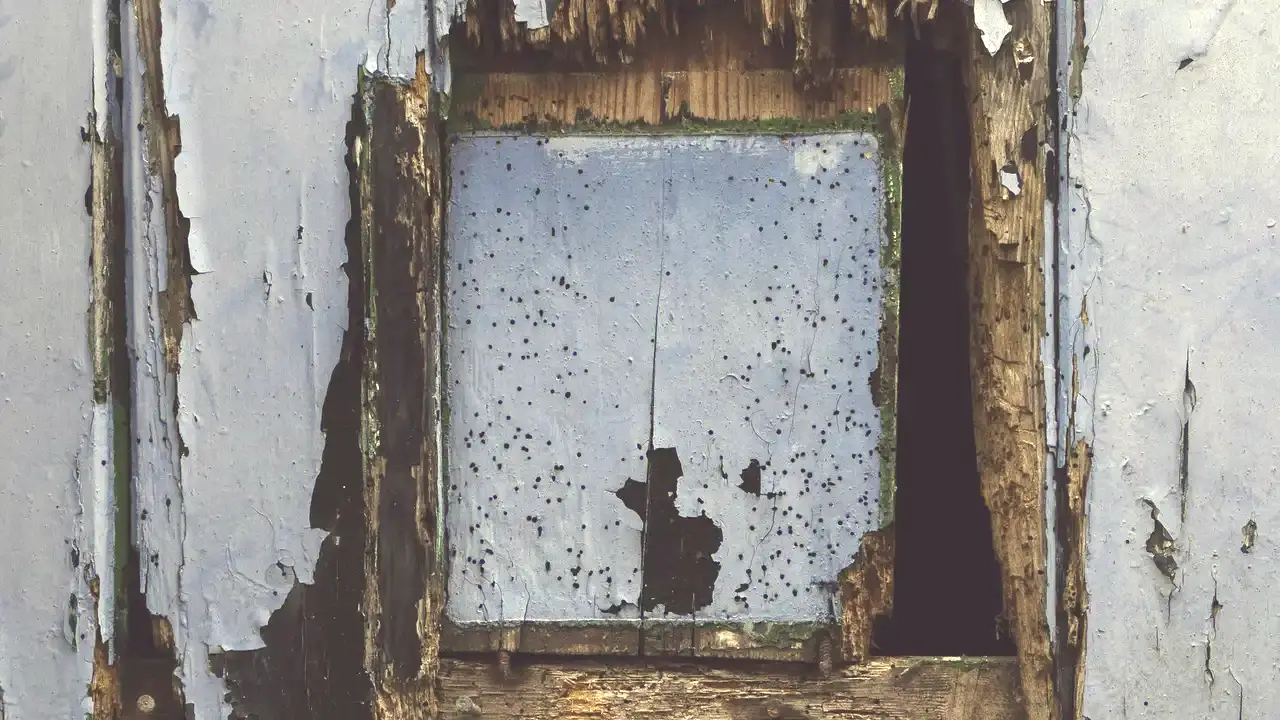
The homeowner could photograph the wings before they are swept away and tell the provider whether they appeared inside or beside an open doorway. The inspector could assess the evidence and explain which accessible areas warrant a closer look. A useful written finding would distinguish identification from uncertainty and record any area that could not be reached. Only then would the homeowner have a basis for discussing a treatment method, further inspection or another explanation for the signs.
The homeowner could ask the lender and independent provider to clarify the requested WDIIR before booking. The discussion could cover whether the provider offers the report, which accessible areas its visit includes and when the findings would be available. Existing termite records could be shared for context. Questions about the transaction’s contract or legal requirements would remain with the appropriate parties and advisers rather than this referral site.
The renter could send the owner a photo and identify the room or outside wall where the tube appeared. That would help arrange access for an inspection without disturbing the evidence first. The provider could assess the tube and related accessible areas, explain what it shows and record any limits. The renter could ask how the findings will be shared and where future observations should be reported.
The manager could gather the report’s date, location and photographs, then ask what areas need access. The inspection might involve the reported unit, common grounds or neighboring spaces depending on the evidence. Permission would need coordinating before entry. Written findings could identify what was examined, what remains inaccessible and what the provider proposes next, giving the owner a clear basis for a separate treatment decision.
Termite inspections in Buckeye begin with the reported sign and the actual property. Coverage here concerns Buckeye addresses in 85326 and Buckeye’s part of 85396; neither ZIP should be treated as entirely within the city. Sundance, Watson Estates, Verrado and Festival Foothills are verified examples. Give the provider the street address and explain who can authorize entry. ACS 2024 five-year figures report 104,923 residents and 35,276 housing units, with a median year built of 2011. Housing age does not establish termite prevalence or a building’s construction. Seasonal questions also need care: University of Arizona Extension places desert subterranean flights generally after monsoon rain from July through September and drywood flights on sunny days from June through August. Identification still requires an assessment of the actual evidence. Keep dates and photos, and show the inspector any earlier treatment paperwork. If a sale or lender request is involved, ask about the requested WDIIR scope. The provider should explain its access limits, findings and charge before treatment becomes a separate decision.
For an inspection in Sundance, confirm the Buckeye address in 85326 and describe the exact sign location. Ask what entry is needed for relevant accessible foundation or wood areas, including any space controlled by another person.
In Verrado, within Buckeye’s part of 85396, give the street address and explain the evidence to assess. Clarify access to occupied rooms, the grounds or any relevant shared area.
Blue Horizons, Westpark and Watson Estates are verified Buckeye areas in 85326. Give the provider the sign’s location and describe any inspection access restrictions at the property.
Sienna Hills, Sun City Festival and Festival Foothills are verified areas in Buckeye’s part of 85396. Confirm the exact address and entry arrangements, because the ZIP alone does not establish that an address lies within Buckeye.
At a shared building, ask which neighboring spaces the reported evidence makes relevant. Arrange permission through the appropriate owner, manager or association, and have any unexamined location identified in the written findings.
Ask how the provider chooses the next inspection date and which observations prompt earlier contact. The schedule should suit the scope, rather than assume every property needs identical visits.
Arizona Extension generally places desert subterranean flights after monsoon rain from July through September. Report wings with their date and location, while leaving identification and treatment recommendations to the property assessment.
The regional weather reference is Litchfield Park station data, not measurements at this property. Ask the inspector about actual leaks, irrigation and moisture near the reported sign.
A renter in Verrado, 85396 might repeatedly notice small wings on one windowsill without seeing the insects. A photo and written report to the owner could preserve the location before an inspection is arranged.
The provider could assess the wings and check nearby accessible areas, explaining whether the evidence supports a termite identification. The owner could coordinate entry, while the renter points out the original sill and describes when the wings appeared and any earlier observations.
Afterward: The renter could report later wings at that window with the date and a photo. The provider could compare them with the inspection record before deciding whether another visit is appropriate.
A homeowner in Sundance, 85326 might find a thin earthen tube beside the garage. Unsure whether it is active or old, they could leave its location visible and arrange an assessment before discussing treatment.
The inspector could examine the tube and relevant accessible foundation and interior areas. The homeowner could ask how current evidence is distinguished from old material, which spaces cannot be checked and what supports any recommendation for treatment or further investigation.
Afterward: The homeowner could retain the original photo and report changes near that location. The provider’s reporting instructions would guide whether another inspection should be arranged.
A property manager in Sundance, 85326 might receive wings photographed in one attached unit while other occupants report nothing. The manager could want an inspection scope based on evidence, rather than assuming the entire building needs treatment.
The provider could assess the reported location and explain whether other units or shared areas need access. The manager could coordinate permission and ask for findings that name the examined areas and limitations. A treatment proposal would then be considered separately from the initial inspection arrangements.
Afterward: The manager could keep the findings by unit and tell occupants where to send later reports. Photos with dates would help relate each observation to the inspection record.
The following situations illustrate why the location, evidence and access arrangements matter. An inspection should explain what is known and uncertain before a treatment proposal or further visit is considered.
Loose wings on a sill need identification and context. Record when they appeared and whether a window or door was open, then ask the inspector how they relate to other accessible areas. A photo can preserve the report but cannot establish the whole affected boundary. The provider should explain what evidence supports its conclusion, what remains uncertain and whether further access or assessment is needed before any method is proposed for the property.
If a transaction prompts the request, ask the lender and provider to clarify the WDIIR scope before the visit is arranged. Confirm that the provider offers the report and discuss relevant access, timing and written findings. Existing treatment records may help the conversation but do not replace the requested assessment. Contract interpretation and legal obligations remain outside this site’s role and should be addressed with the appropriate parties.
A tube’s location should be recorded before cleaning or maintenance alters it. Show the inspector where it appears and describe any previous treatment nearby. The assessment should explain whether it indicates current activity, which surrounding accessible areas need checking and where access limits remain. Ask how those findings affect the proposed scope and retain the original photo for later comparison. A visible tube starts an investigation; it does not by itself define every area needing work.
A report from next door raises an inspection question about your property, rather than establishing the same findings on your side. Notify the owner, manager or association and ask the provider which accessible shared areas or neighboring locations need checking. Permission should be arranged before entry. The written findings should distinguish examined evidence from areas awaiting access and explain how the assessment supports any treatment boundary or proposal for additional inspection.
The provider prices the requested inspection scope, including access needs and any transaction report discussed beforehand.
An inspection quote should identify the requested areas and report, including any transaction-related scope discussed with the lender. Property size, the number of units, accessible spaces and a further appointment for restricted areas can affect the provider’s work. Ask what the amount includes and whether treatment would be a separate proposal after findings are reviewed. This site sets no price. Before booking, clarify what happens if relevant access is unavailable and how an additional visit or changed scope would be charged by the independent provider.
A defined inspection scope helps explain findings and the limits of any later proposal. Ask which areas were examined, what remained inaccessible and whether further assessment is recommended. That account gives a treatment discussion a clearer basis than an unexplained conclusion about the property.
Inspection size concerns the areas to examine, not an assumed level of activity. Ask how rooms, foundation access and other relevant spaces affect the requested visit. A written scope should distinguish included areas from any additional inspection requiring another appointment.
A detached home, an attached unit and shared grounds may need different entry arrangements. Explain the property’s actual layout and ask which areas the evidence makes relevant. If another household or association controls access, clarify permission before the visit and how any remaining limitation affects the findings.
Restricted storage areas, a locked gate or an inaccessible attic can limit the inspection. Ask what can be examined at the appointment and whether a second visit is proposed. Any unexamined space should be named in the findings, with permission and charges clarified before further access is arranged.
If additional tools or checks are proposed, ask what uncertainty they address and whether they are included in the inspection charge. The provider should explain their findings alongside physical evidence, not substitute an equipment label for an understandable conclusion.
The provider determines appointment availability and charges. Confirm the address, access arrangements and expected scope when booking, and ask how any deadline can be accommodated. Calling during this site’s connection hours does not reserve a particular inspection time or promise when findings will be available.

An inspection begins with knowing which independent business you are dealing with. Ask for its identity and use the Arizona Department of Agriculture’s Termites consumer page to reach Office of Pest Management business and applicator lookup links. Verify the relevant records yourself and resolve uncertainty directly; this referral site does not screen or certify providers. Separately, ask what the appointment includes, how findings and access limits are documented and whether any proposed treatment is quoted afterward. For a transaction request, discuss the WDIIR scope with the provider and lender. Keep the business details, accepted inspection scope and written findings together for later questions or service decisions.

A homeowner in Sundance, 85326 might find a thin tube beside a garage wall and wonder whether treatment is needed. The inspector could assess that sign and other relevant accessible areas, then explain the identification and any uncertainty. The homeowner could request photos and written findings before considering a proposal, including a description of spaces that could not be examined.
A property manager in Sundance, 85326 might receive one occupant’s report of wings while nearby units have no reports. The provider could assess the evidence and explain what additional access, if any, is warranted. The manager could ask for findings by location and coordinate permission for shared areas, giving the owner a clearer basis for reviewing any later treatment proposal.
A renter in Verrado, 85396 might notice wings on a sill without seeing the insect that shed them. Sending the owner a photo and date could start the inspection discussion. The provider could assess the evidence and explain what supports the identification, rather than treating wings alone as a complete diagnosis. The renter could ask which areas need entry, how findings will be shared and what to report if more wings appear.
A termite inspection examines the reported evidence and accessible areas where related activity may be found. Discuss the foundation, garage, frames, attic access and any neighboring or shared spaces relevant to the report. The provider decides the exact scope and should identify inaccessible areas. Ask for dated findings, an explanation of the insect identification and a clear distinction between current evidence and old damage before considering treatment.
Yes, suspected termite activity should be assessed before a treatment method is chosen. An inspection establishes what the signs mean, where activity is confirmed and which areas can be reached. That evidence gives the proposal a basis. Ask the provider to explain any uncertainty, identify access limits and describe why the recommended method fits. You can review the written findings and cost before deciding whether to proceed.
The independent provider and lender can explain the requested WDIIR scope for a particular sale. Ask whether the provider offers a wood-destroying insect inspection report and what areas and documentation its visit includes. Earlier treatment and warranty records may help that discussion. This referral site does not interpret a contract, determine a transaction’s legal requirements or provide WDO legal advice. Confirm the requested timing directly.
Inspection area, access restrictions and any requested documentation can affect the provider’s scope and charge. Ask whether a second access appointment might be needed and how it would be priced. Treatment should be considered separately after the findings are explained. This site supplies no inspection price; the independent provider determines the amount and conditions for its proposed visit.
Discuss the property and evidence with the independent provider to clarify access, scope, timing and later checks.
Discuss your questions
For a drywood concern, the inspection focuses on evidence associated with wood, such as pellets, openings or wings, and the accessible areas around it. Ask how identification is established and whether localized work fits the findings. The proposed boundary should distinguish examined wood from concealed spaces. Full tent fumigation and structural repair are excluded from this referral site’s scope.
View serviceSubterranean evidence leads to questions about soil routes and relevant foundation access. A provider may discuss soil treatment or bait after identification and inspection. Ask how that method and boundary fit the findings, what remains inaccessible and how continuing checks are arranged before comparing the separate work proposal and cost.
View service
At a rental, occupants can report the sign and date while the owner or manager coordinates permission for inspection. Ask whether shared areas matter, who receives findings and how preparation directions for any later work reach occupants. This site does not determine legal obligations or payment responsibility. Those questions remain separate from what the inspector finds at the property.
View service
If the property was treated before, bring its inspection and service records to the current visit. The provider can compare the new report with the earlier boundary and explain whether further assessment or work is proposed. Ask how any existing agreement applies, including coverage dates, reporting conditions and separate charges. Keep that explanation with the current findings before accepting another service plan.
View serviceRingba routes telephone enquiries to an independent business and may record the conversation. Calls connect 5 a.m. to 11 p.m. Mountain Standard Time, all year. The all-hours LeadSmart form provides another way to request contact. Confirm the Buckeye address and discuss what you observed; the receiving provider sets its own availability, assessment arrangements and proposal.